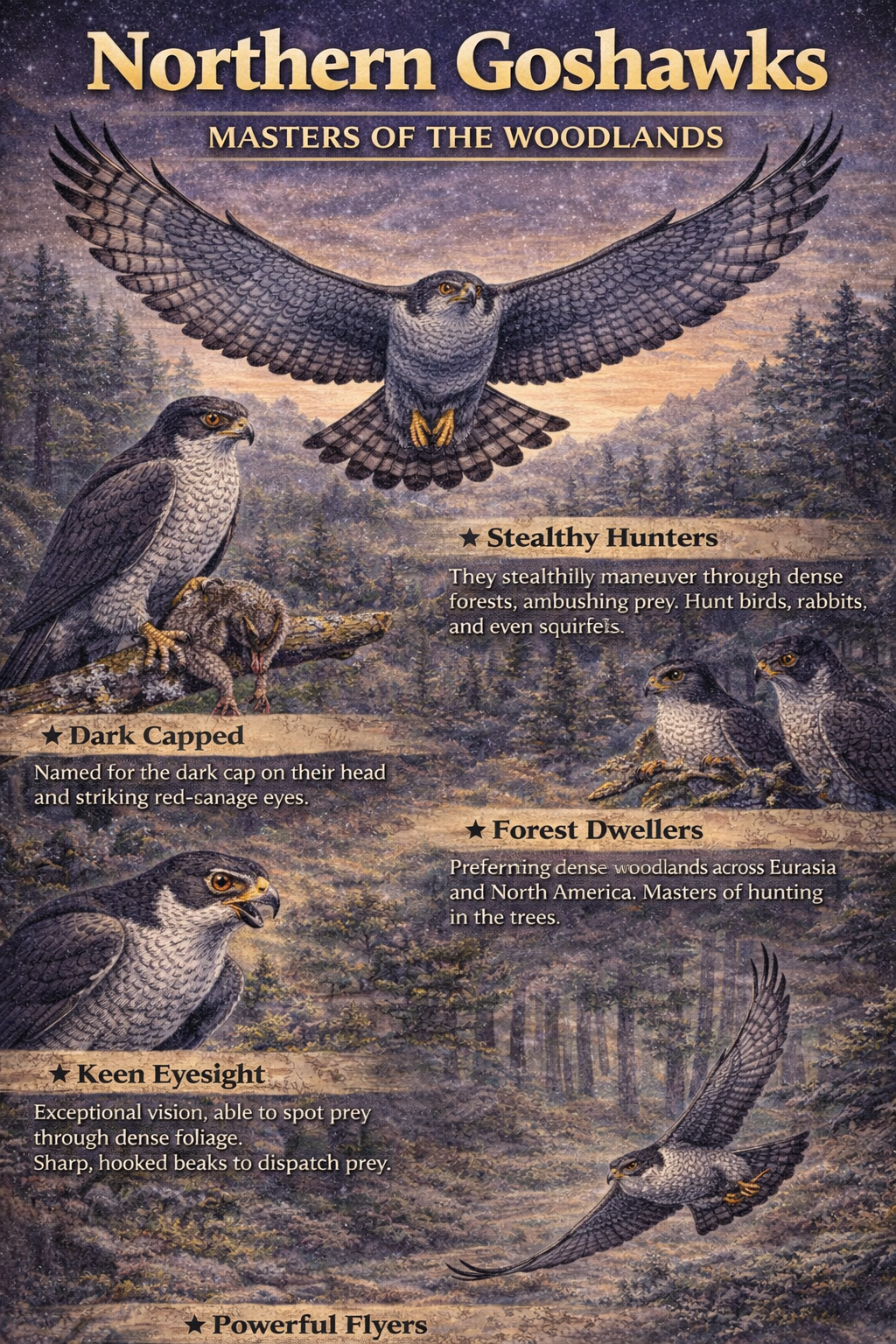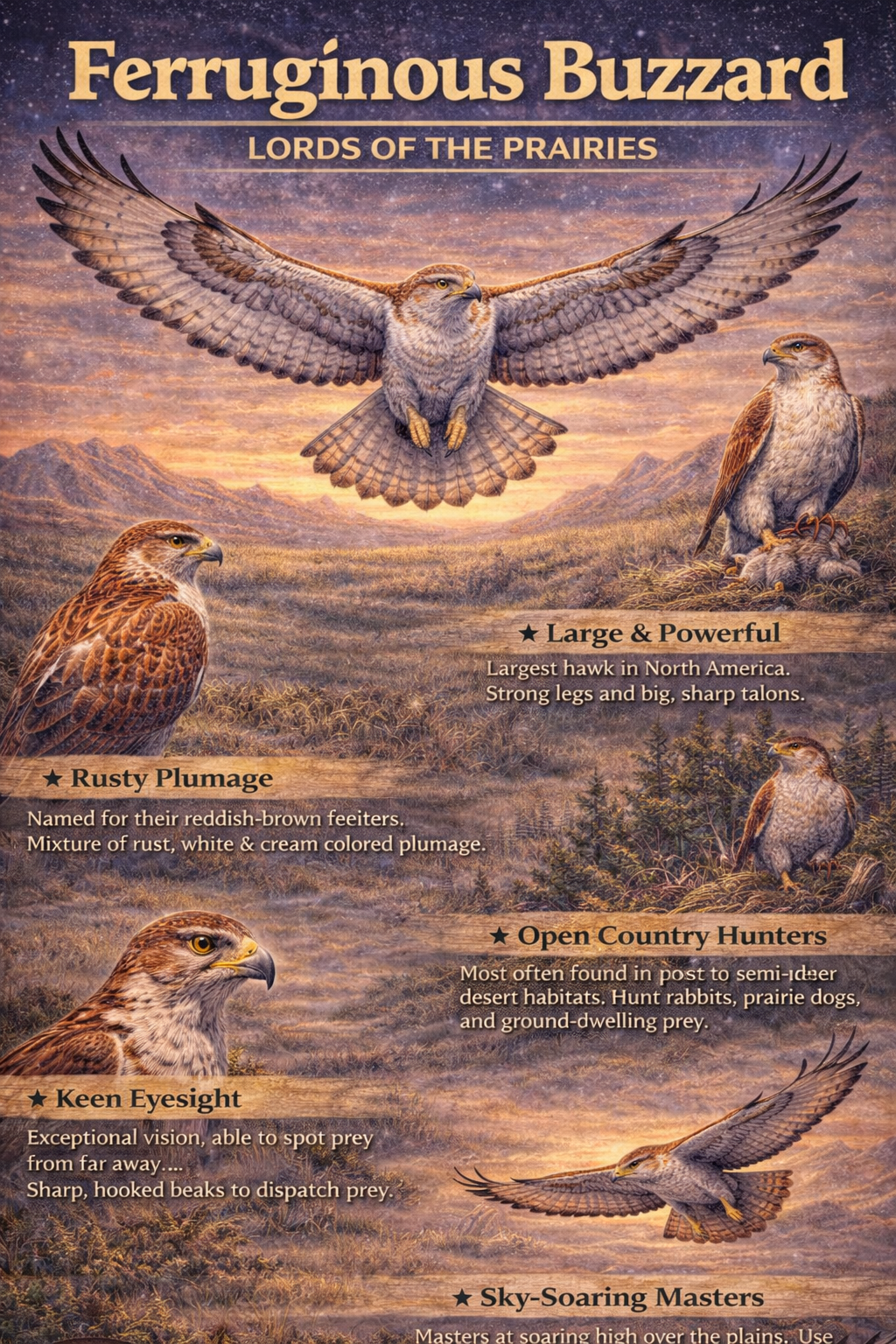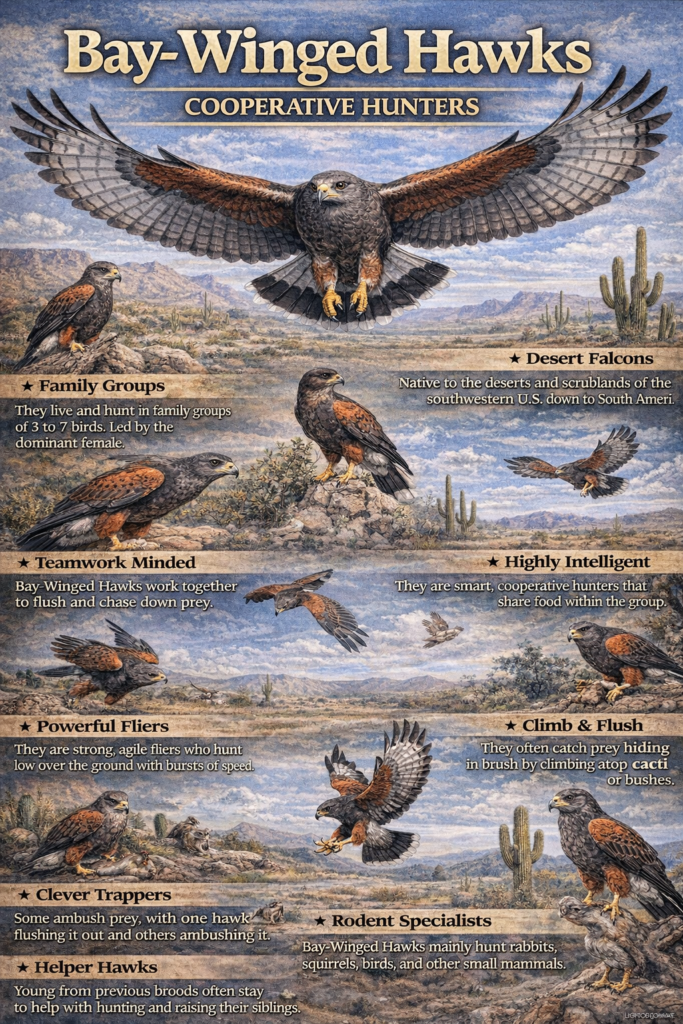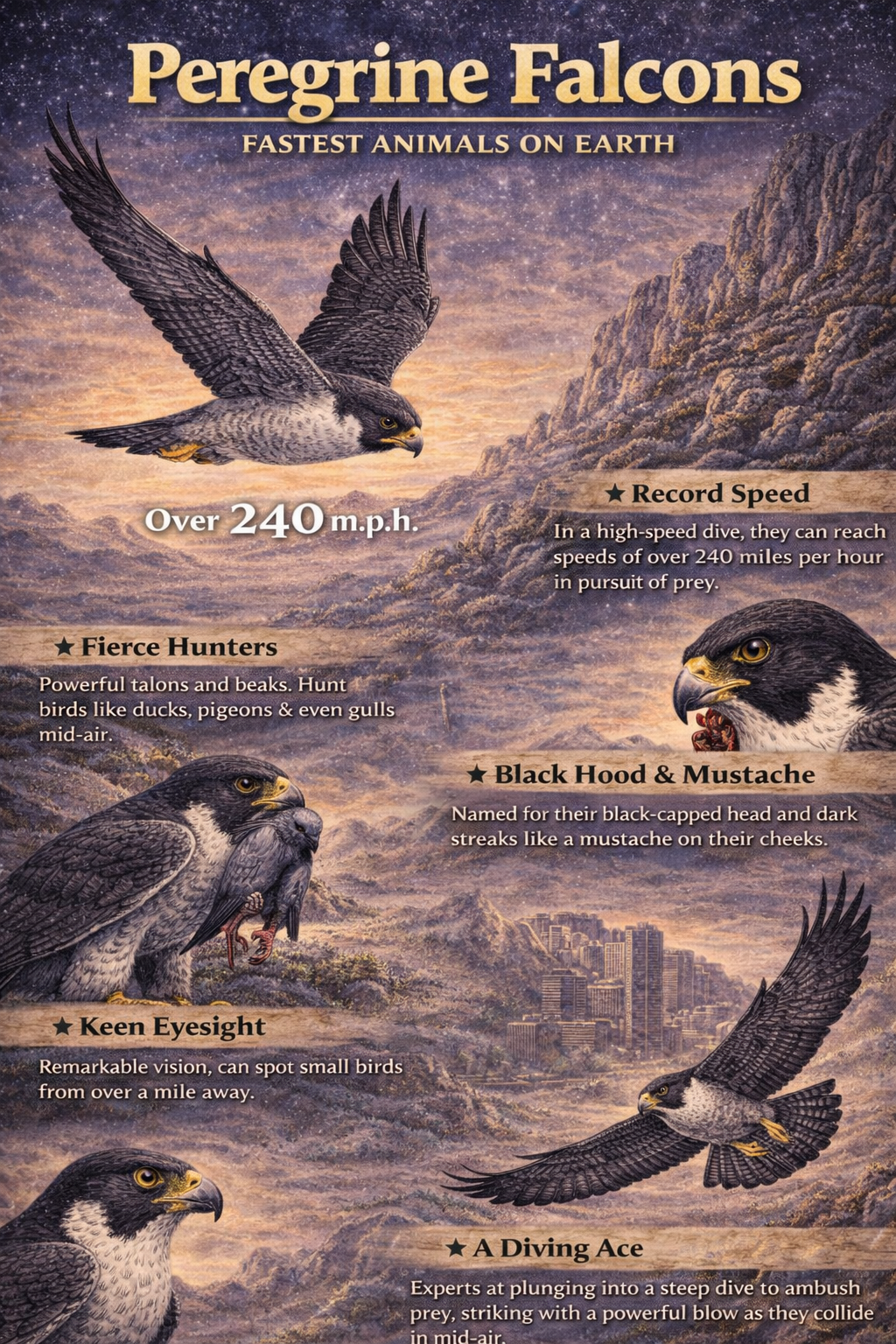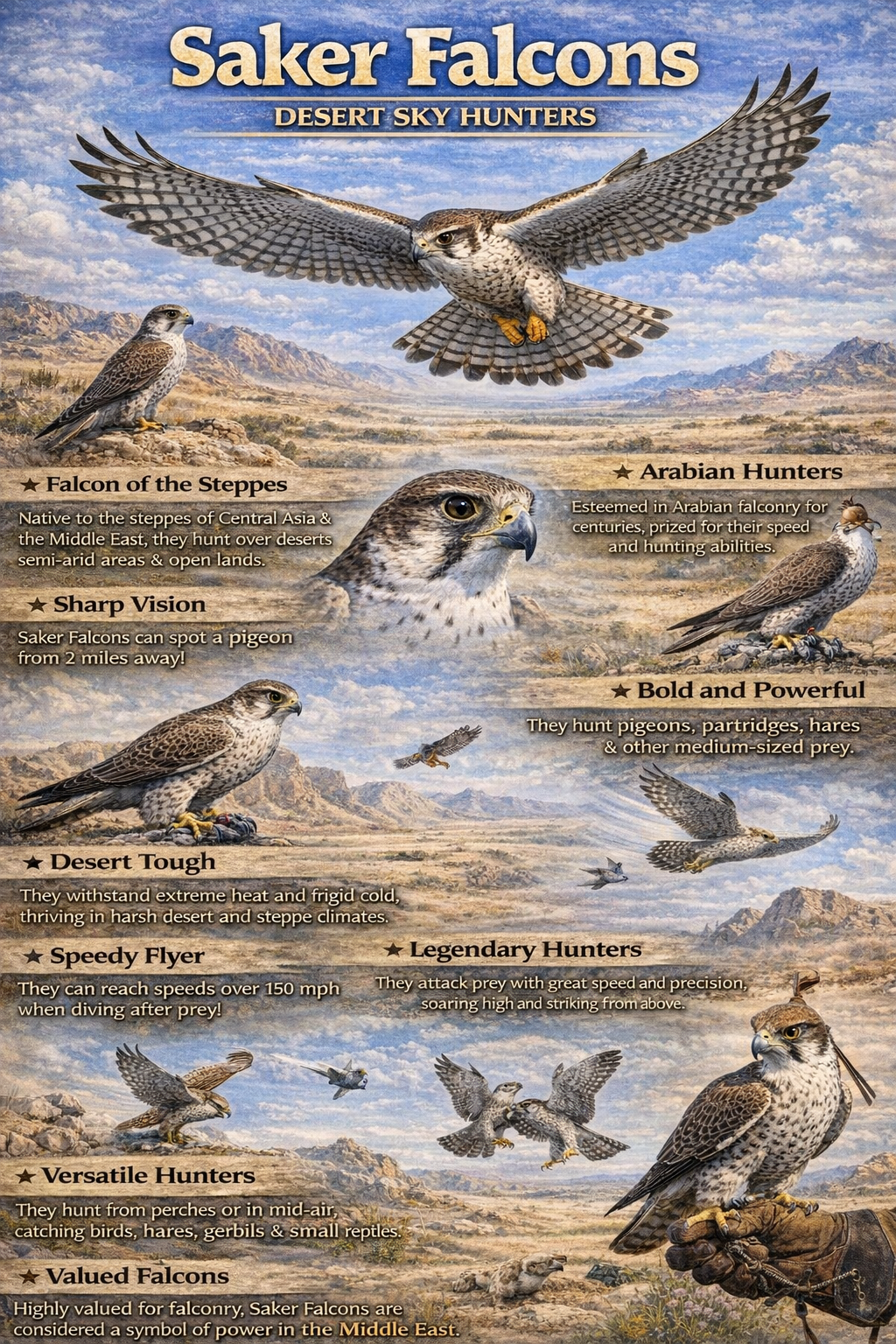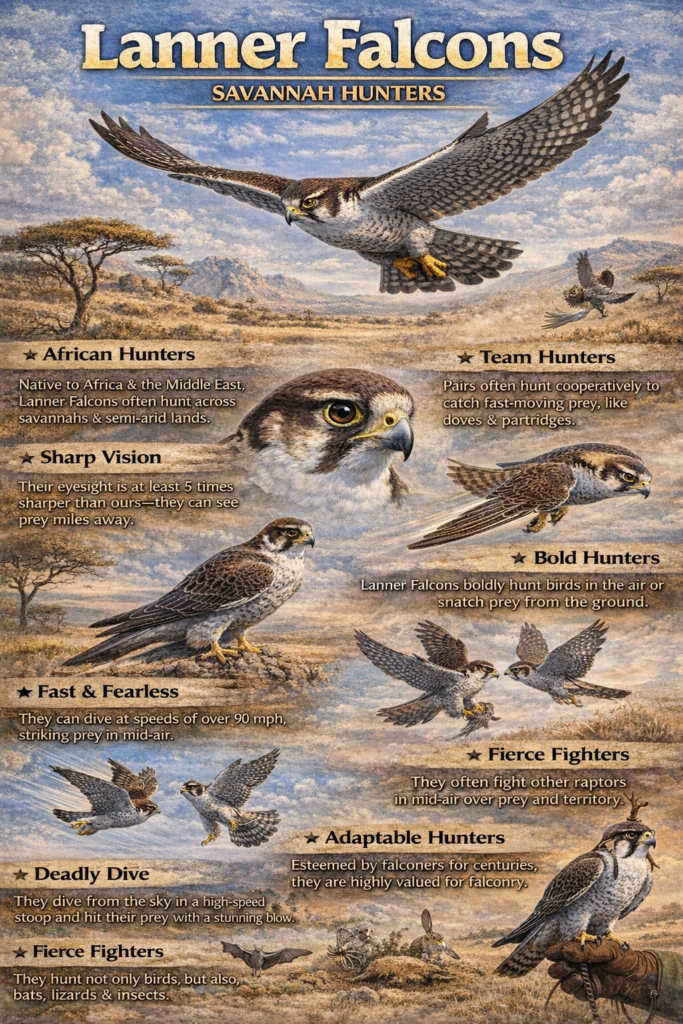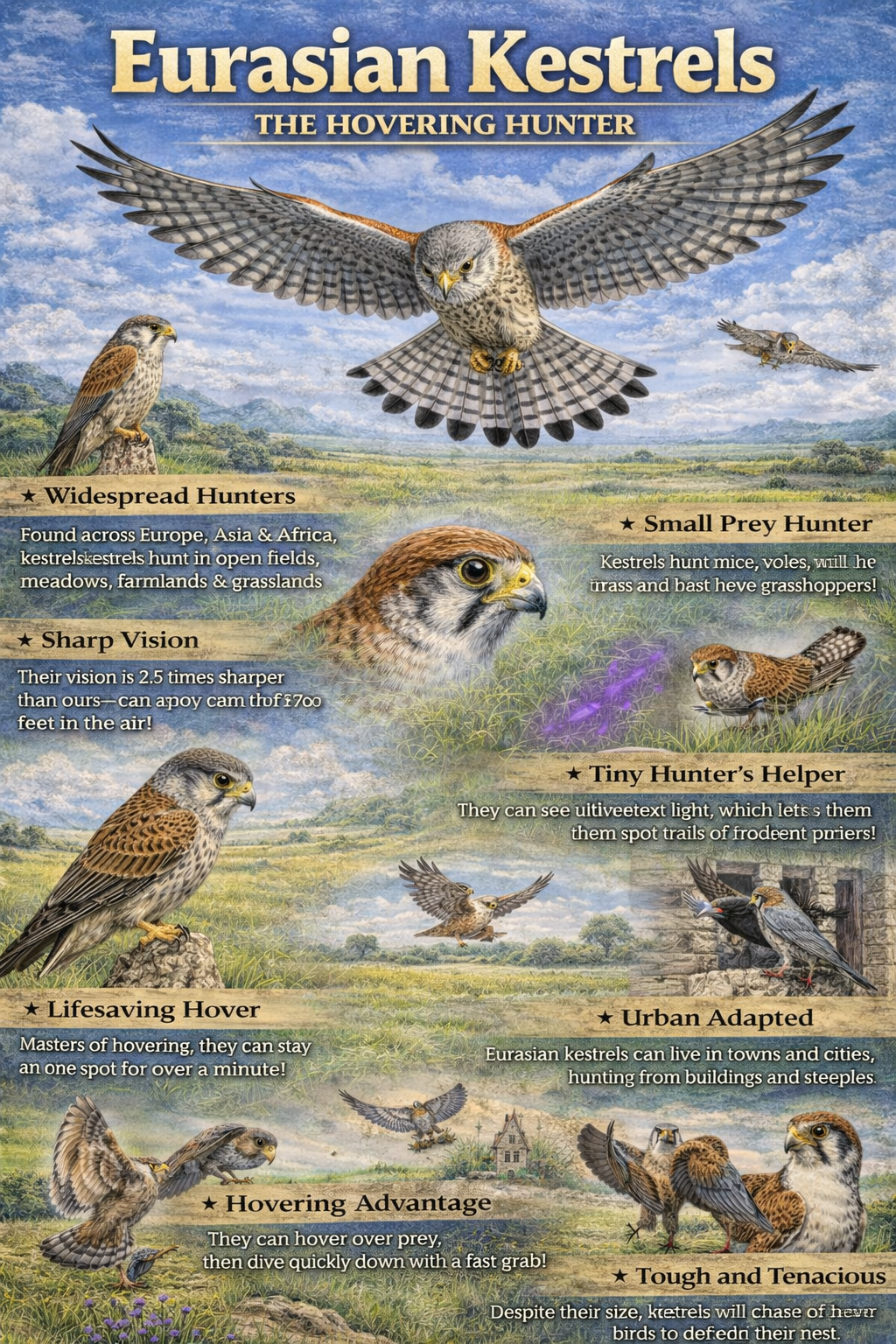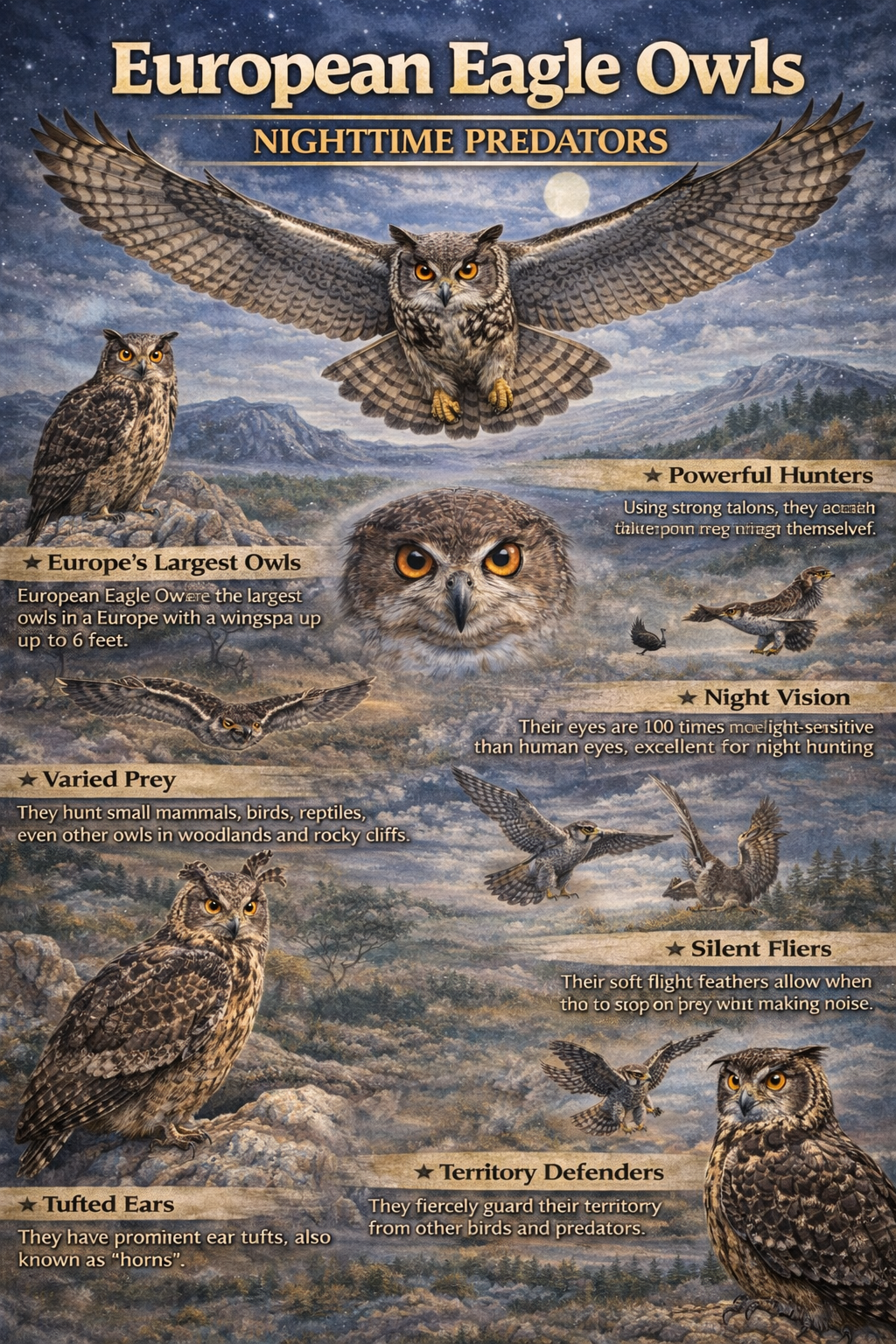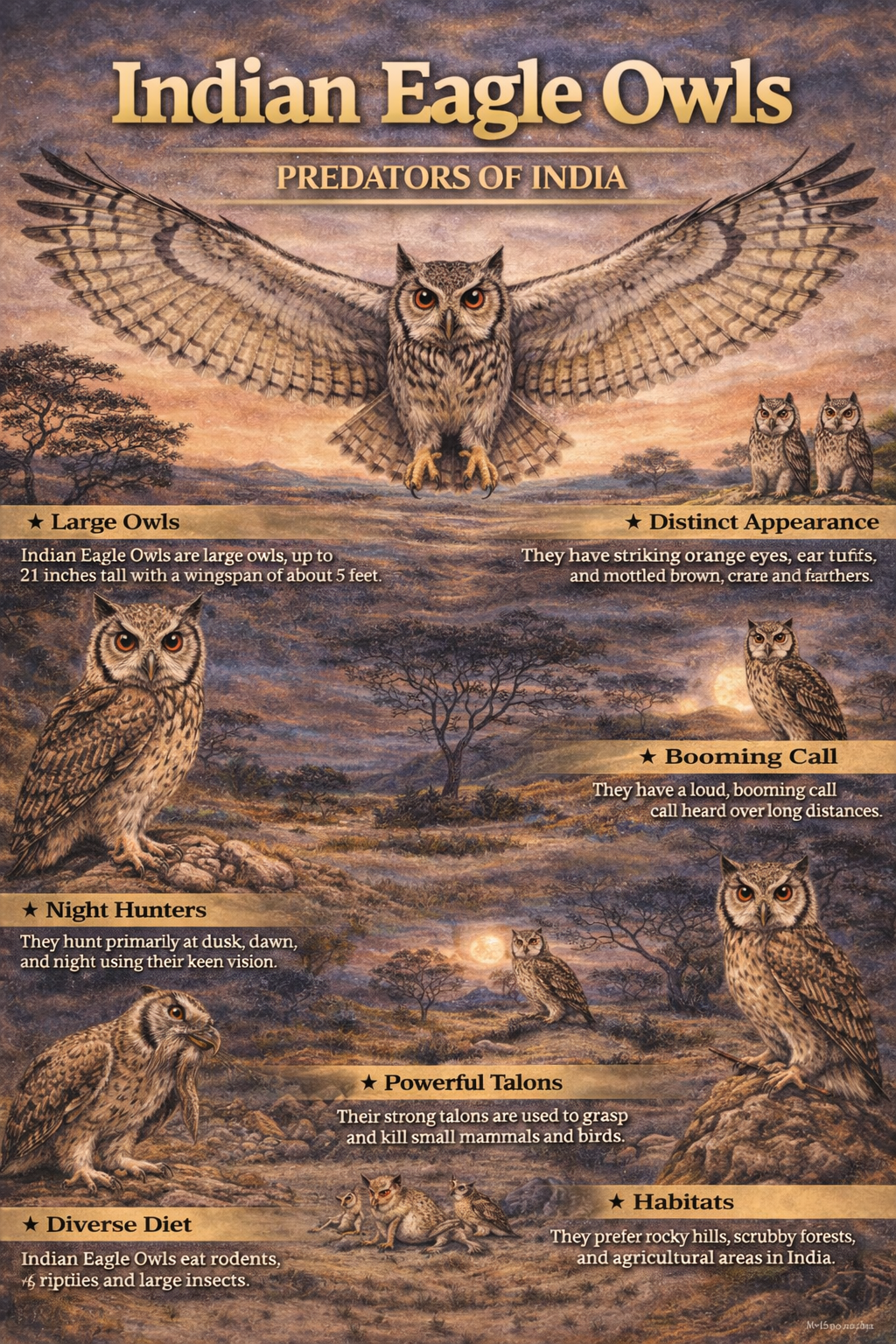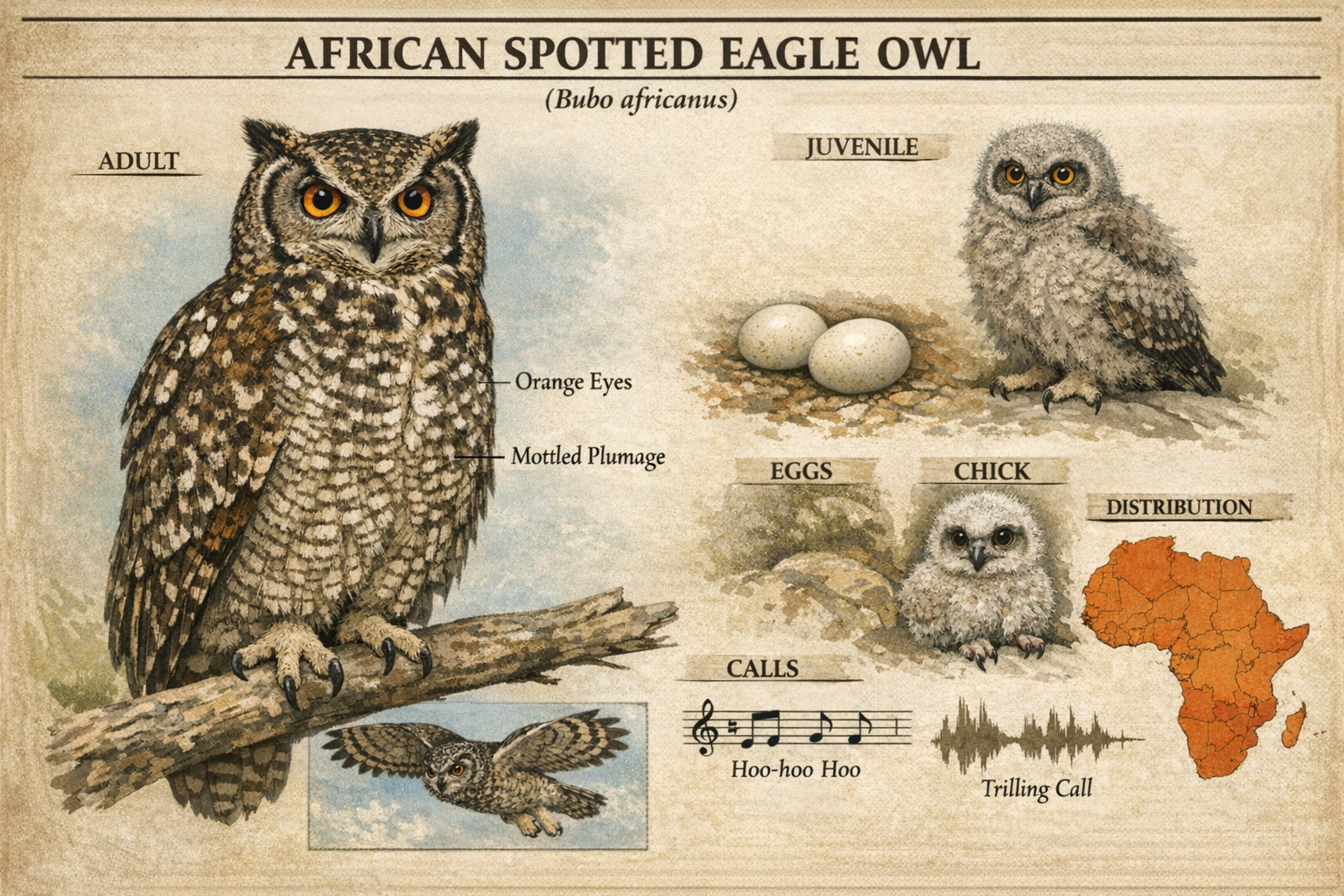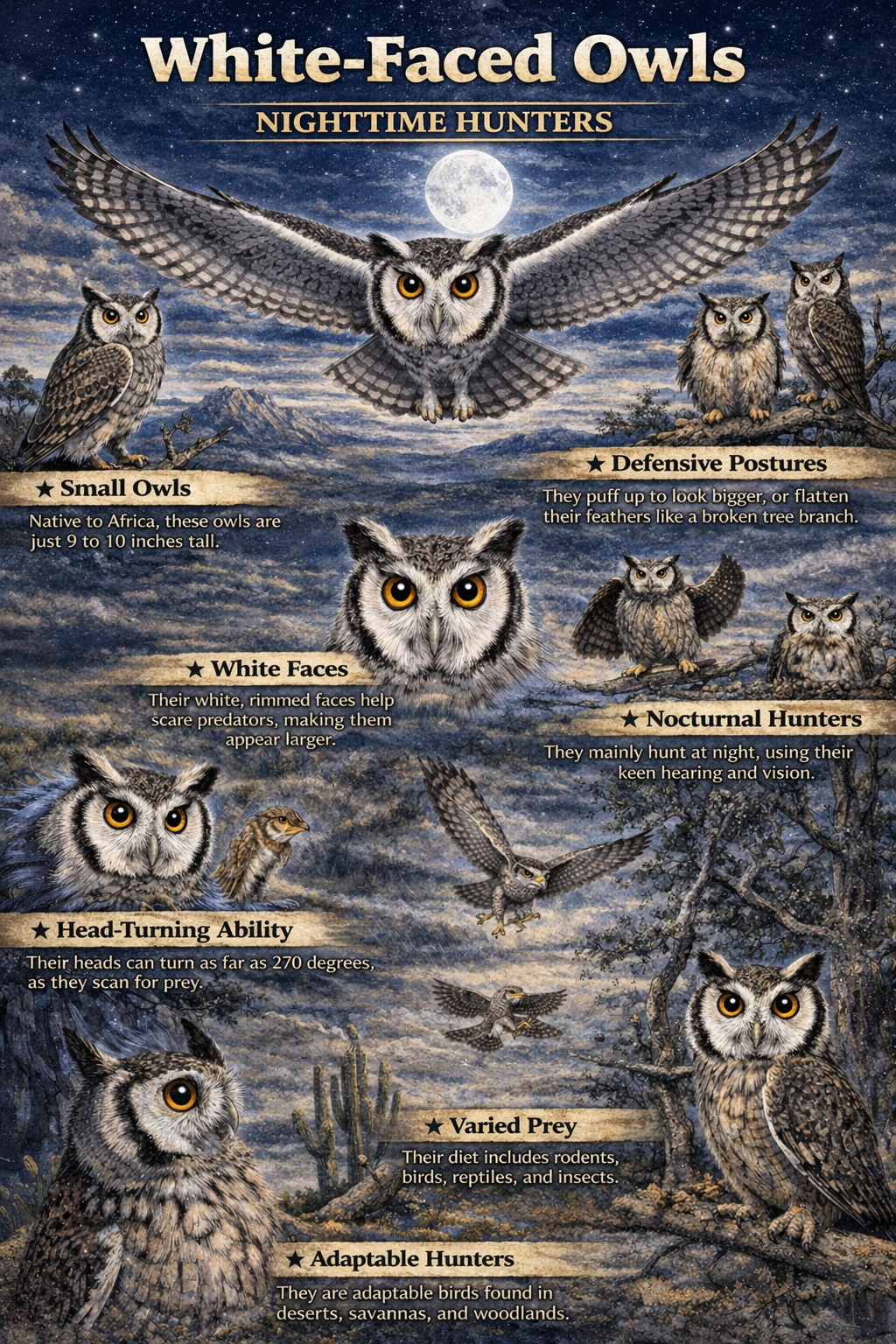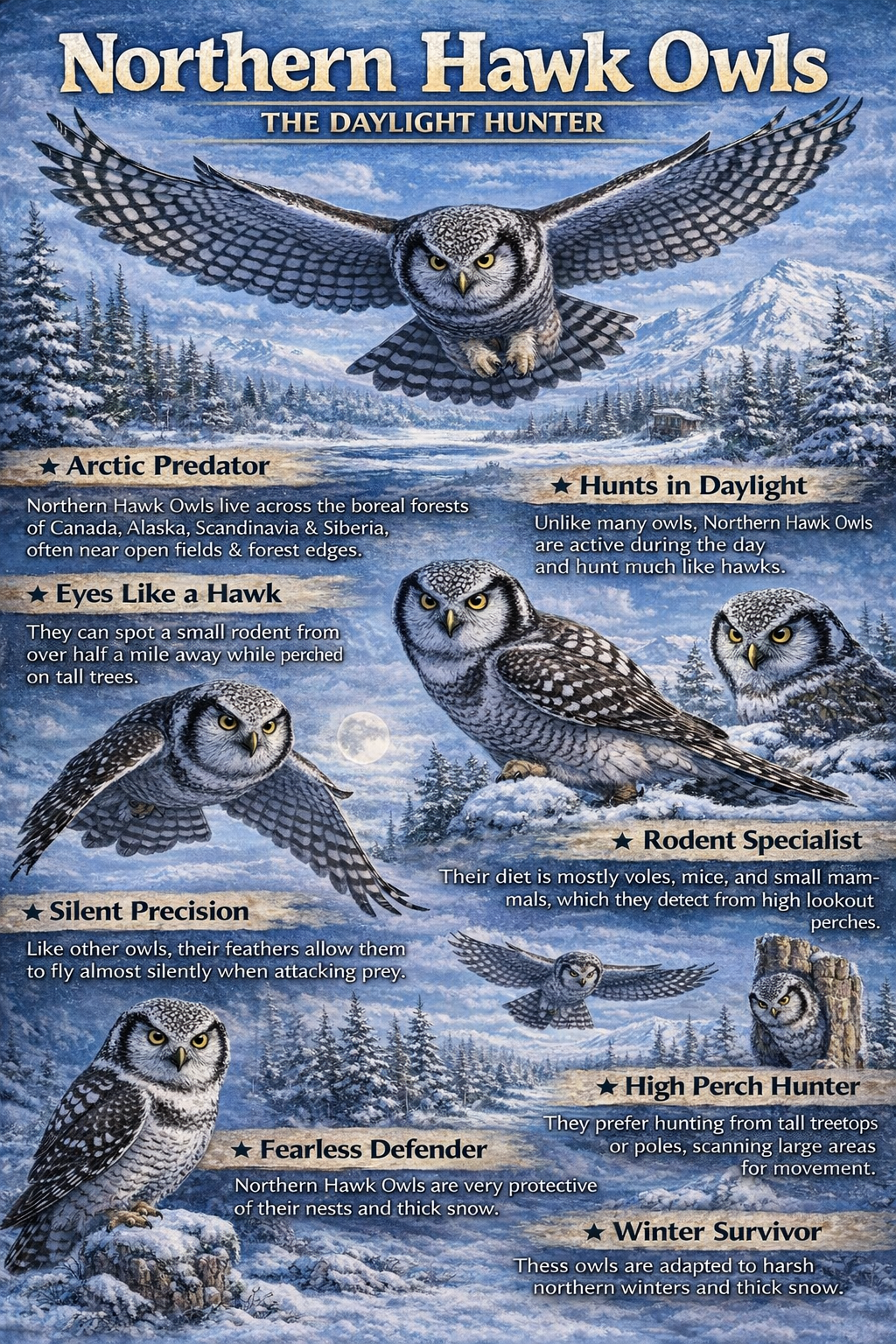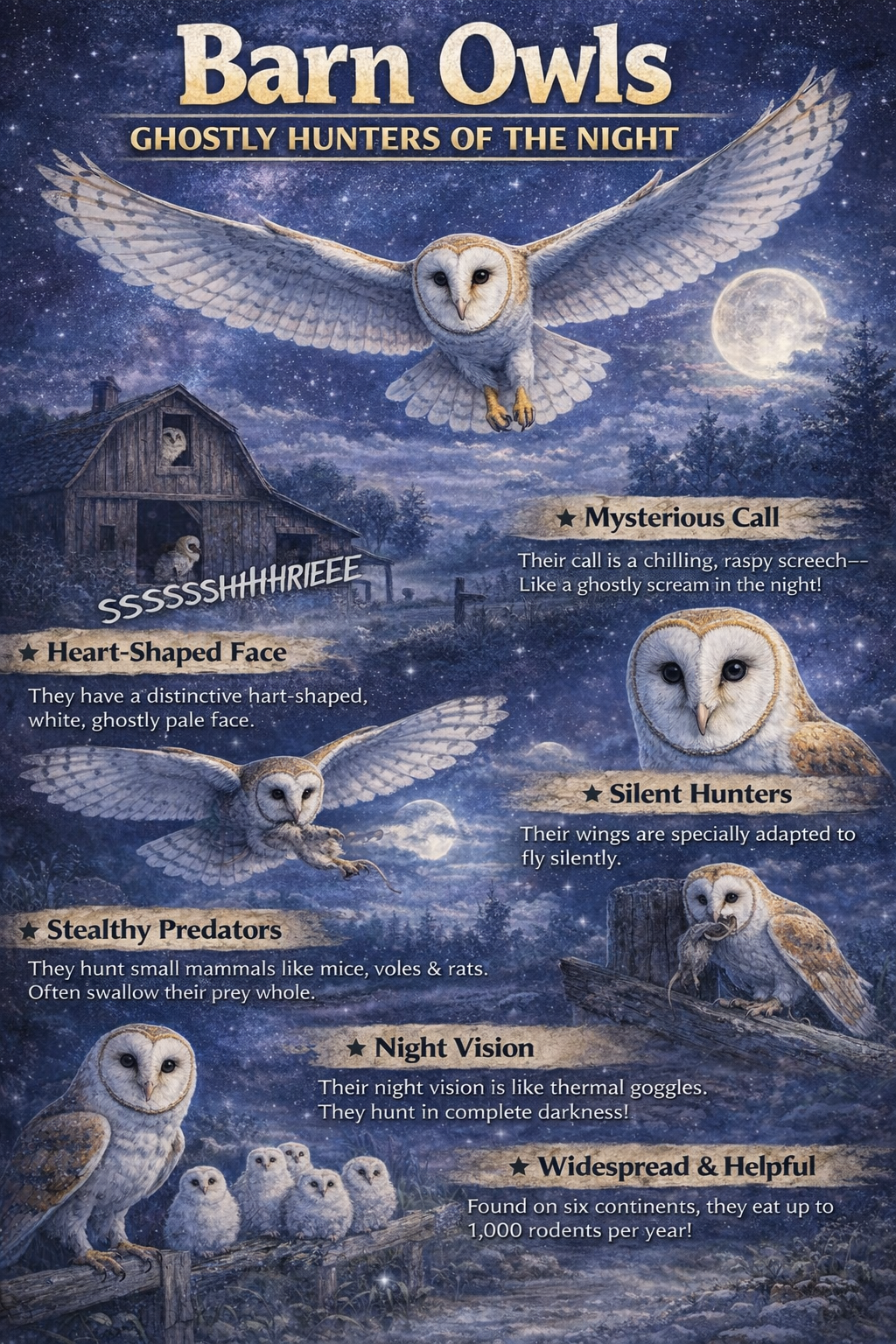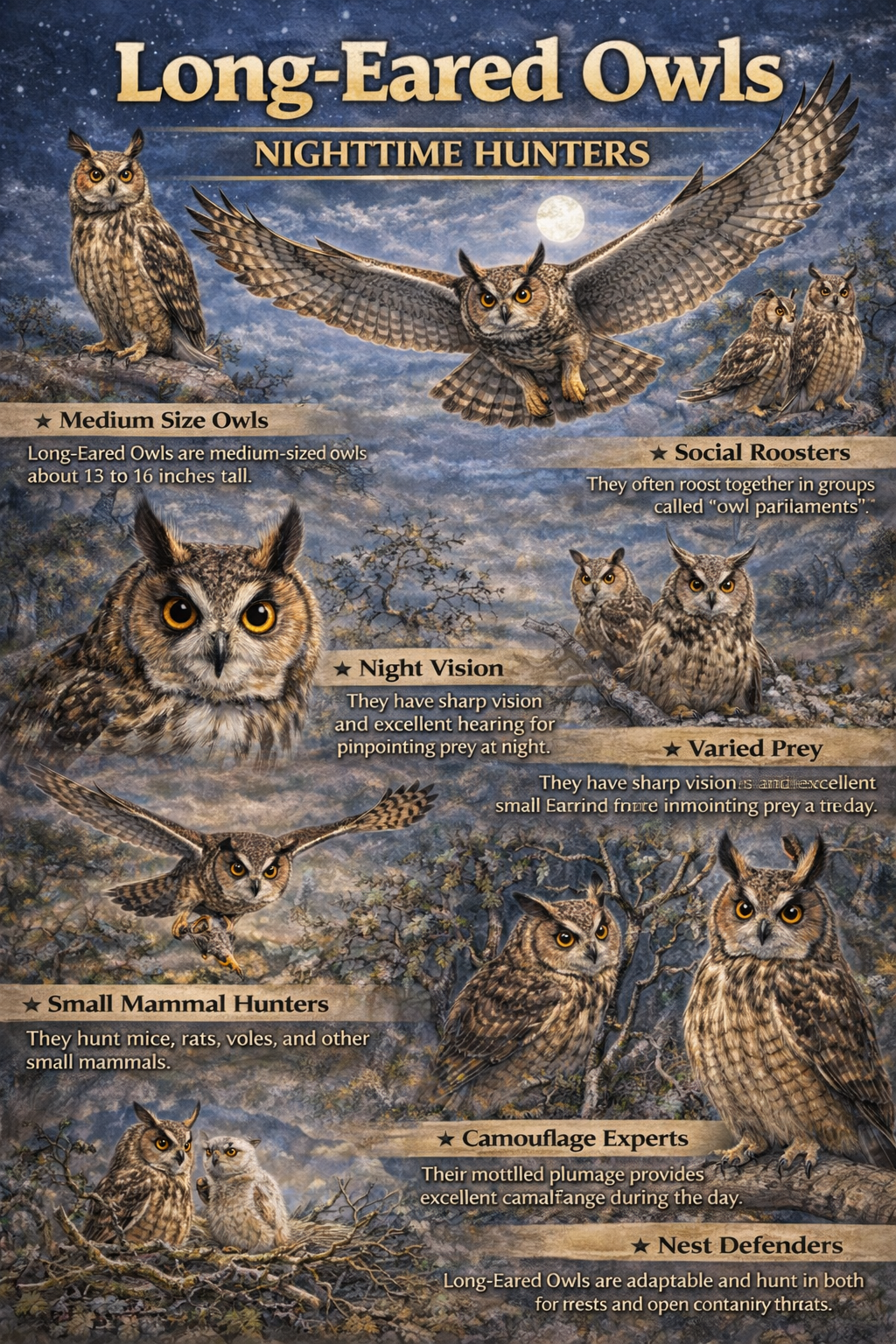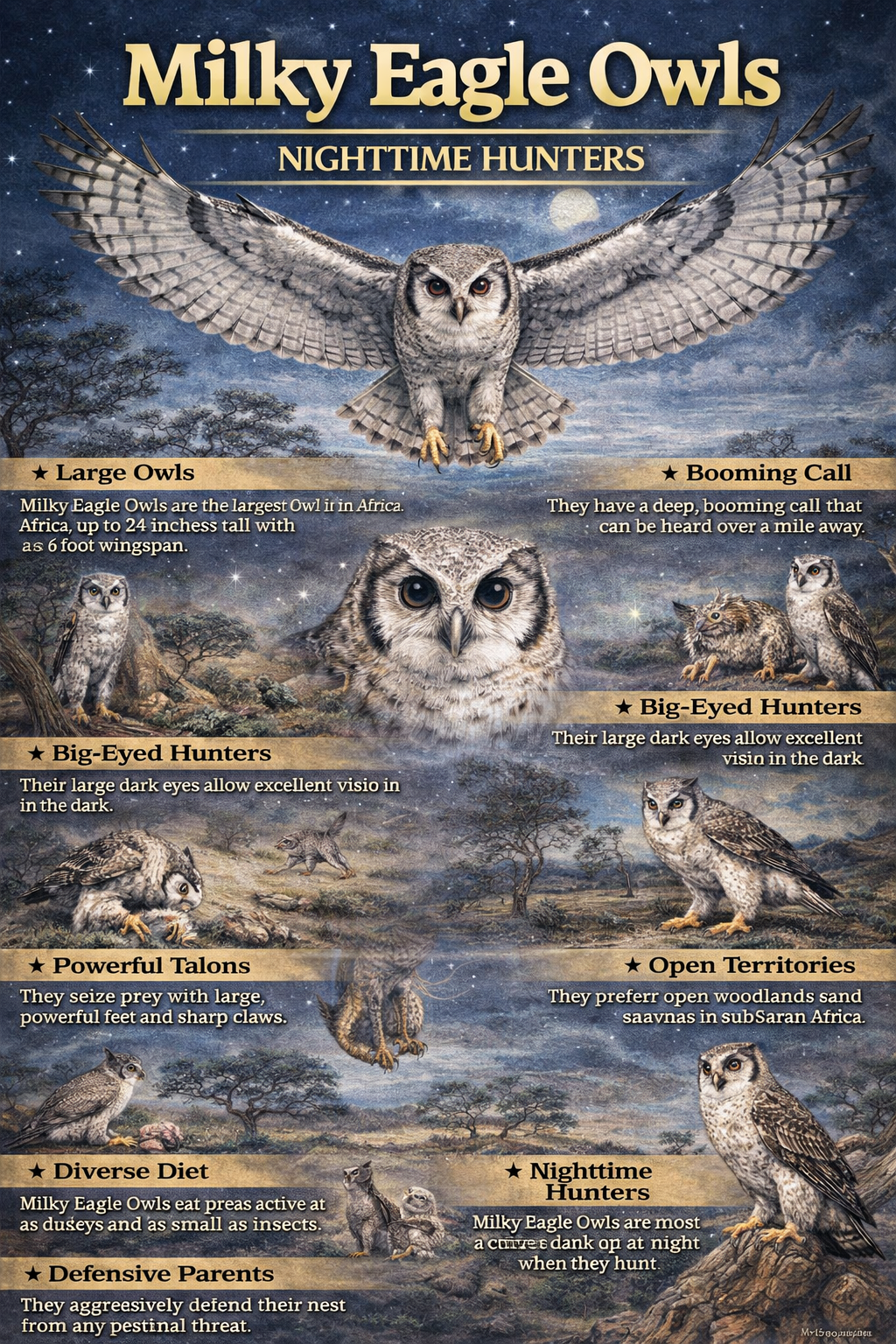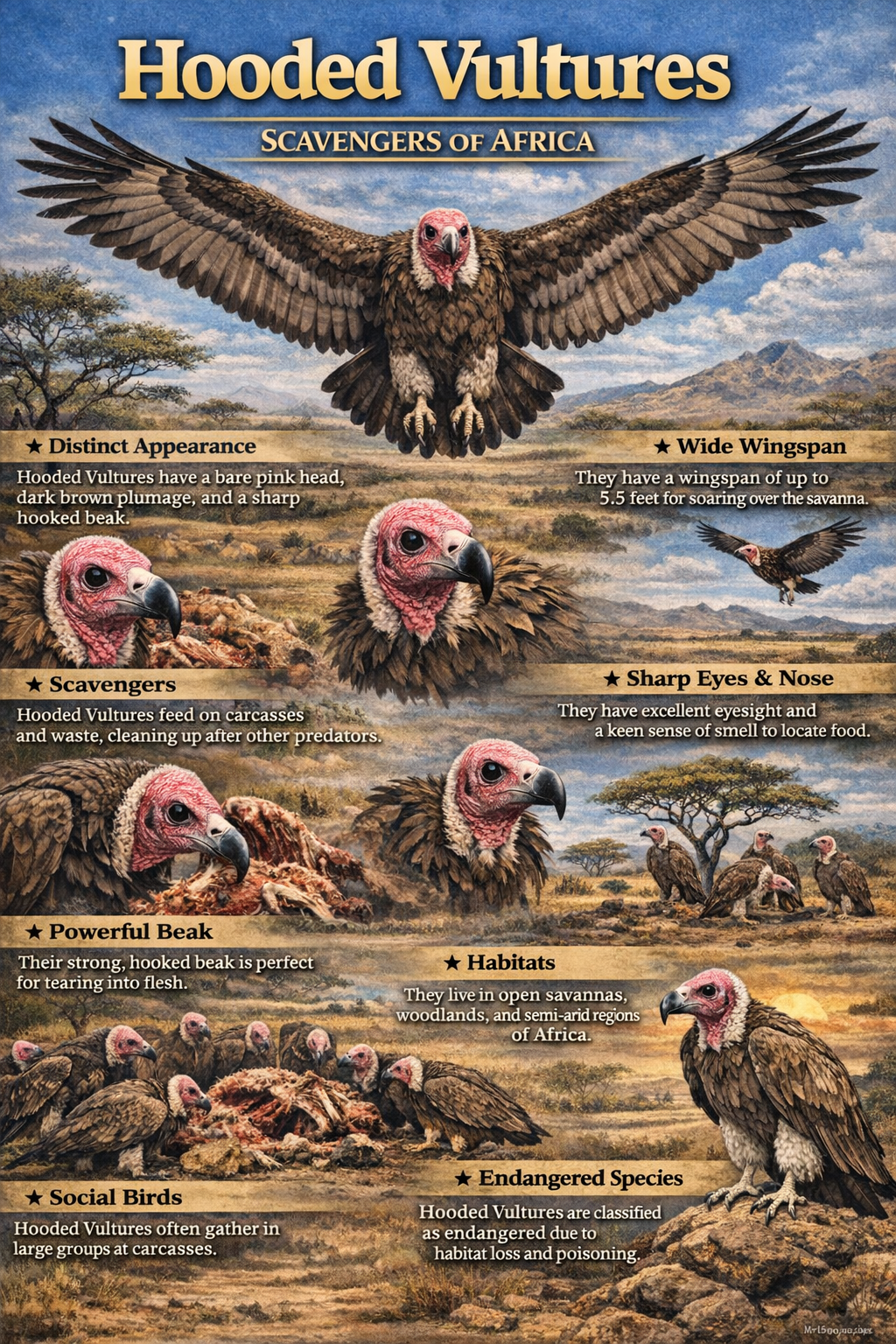
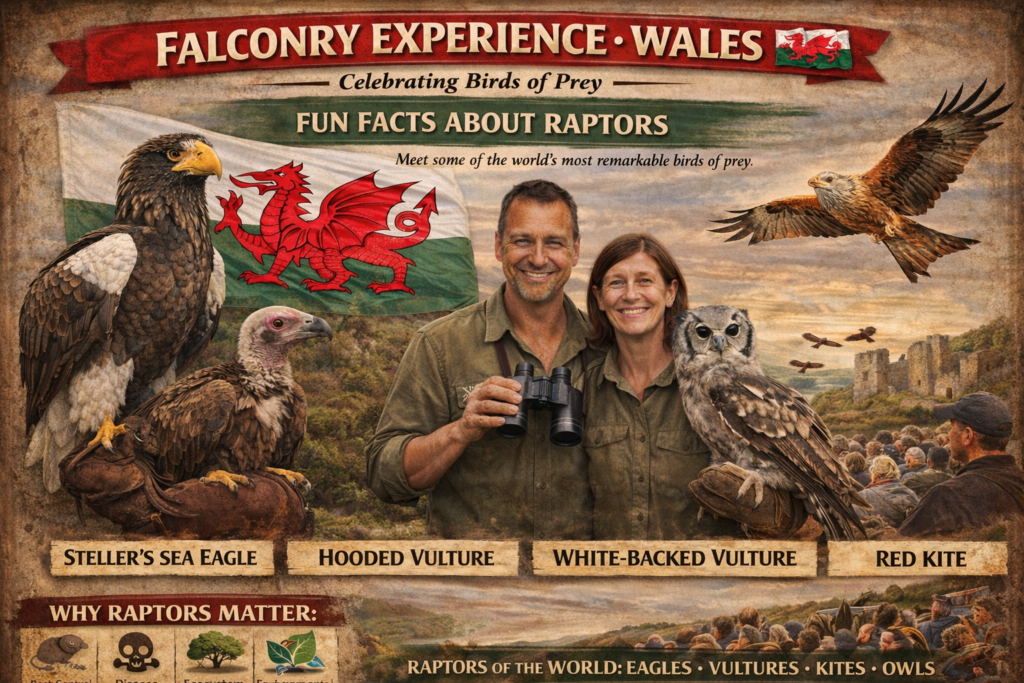
Fun Facts about our Raptors
BIRDS OF PREY – ADAR YSGLYFAETHUS ( all birds are birds of prey)
RAPTORS – ADERYN
EDUCATION
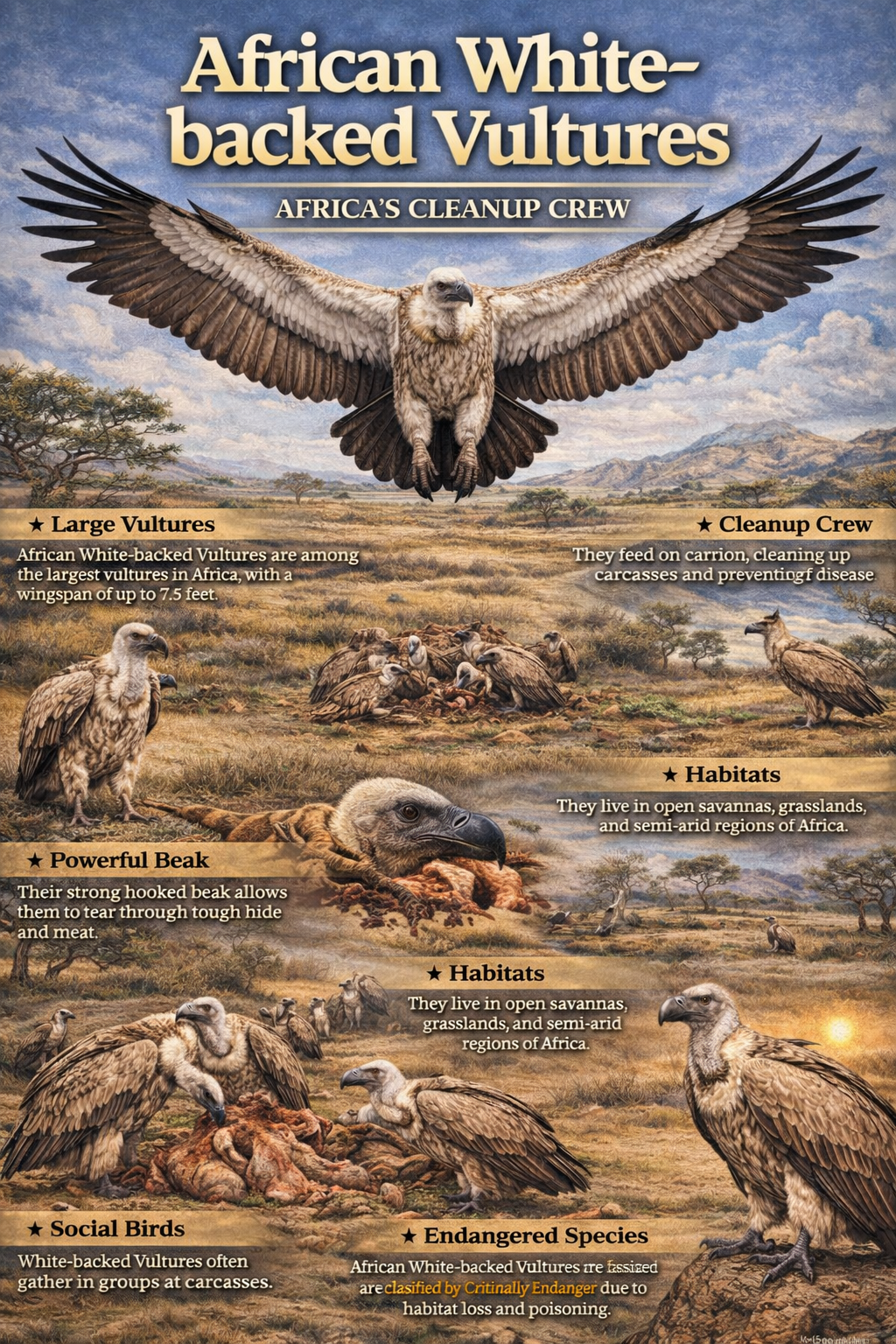
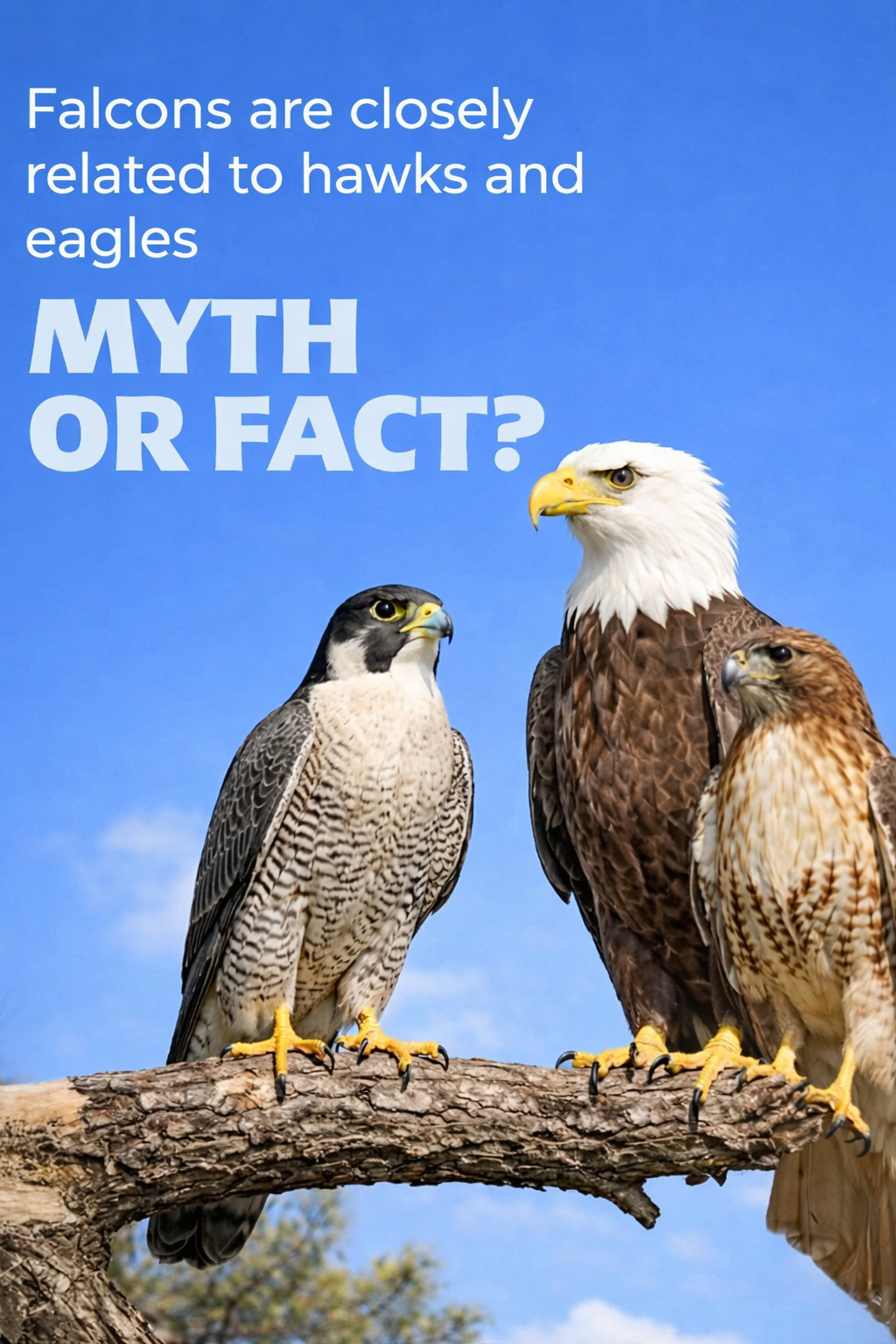
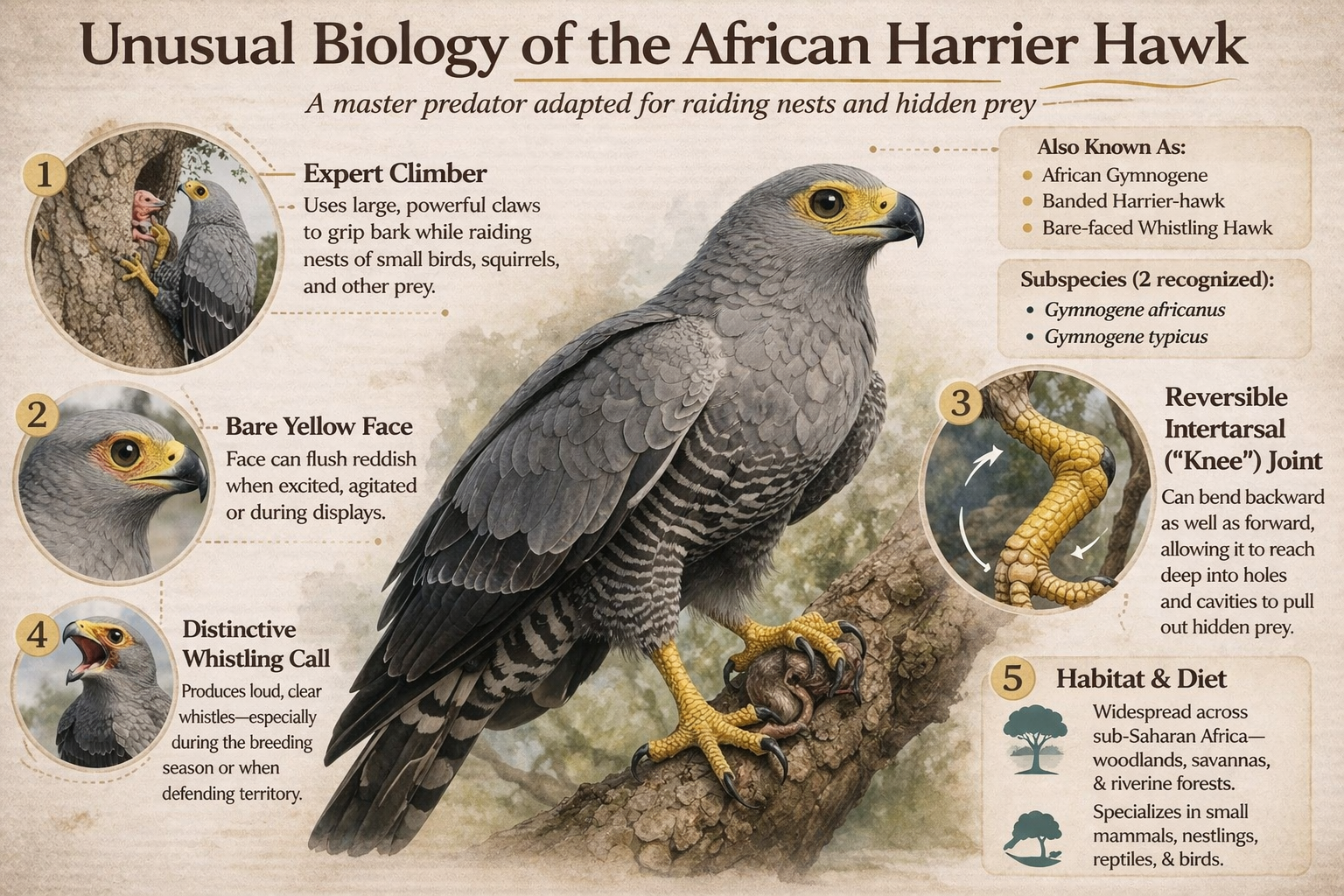
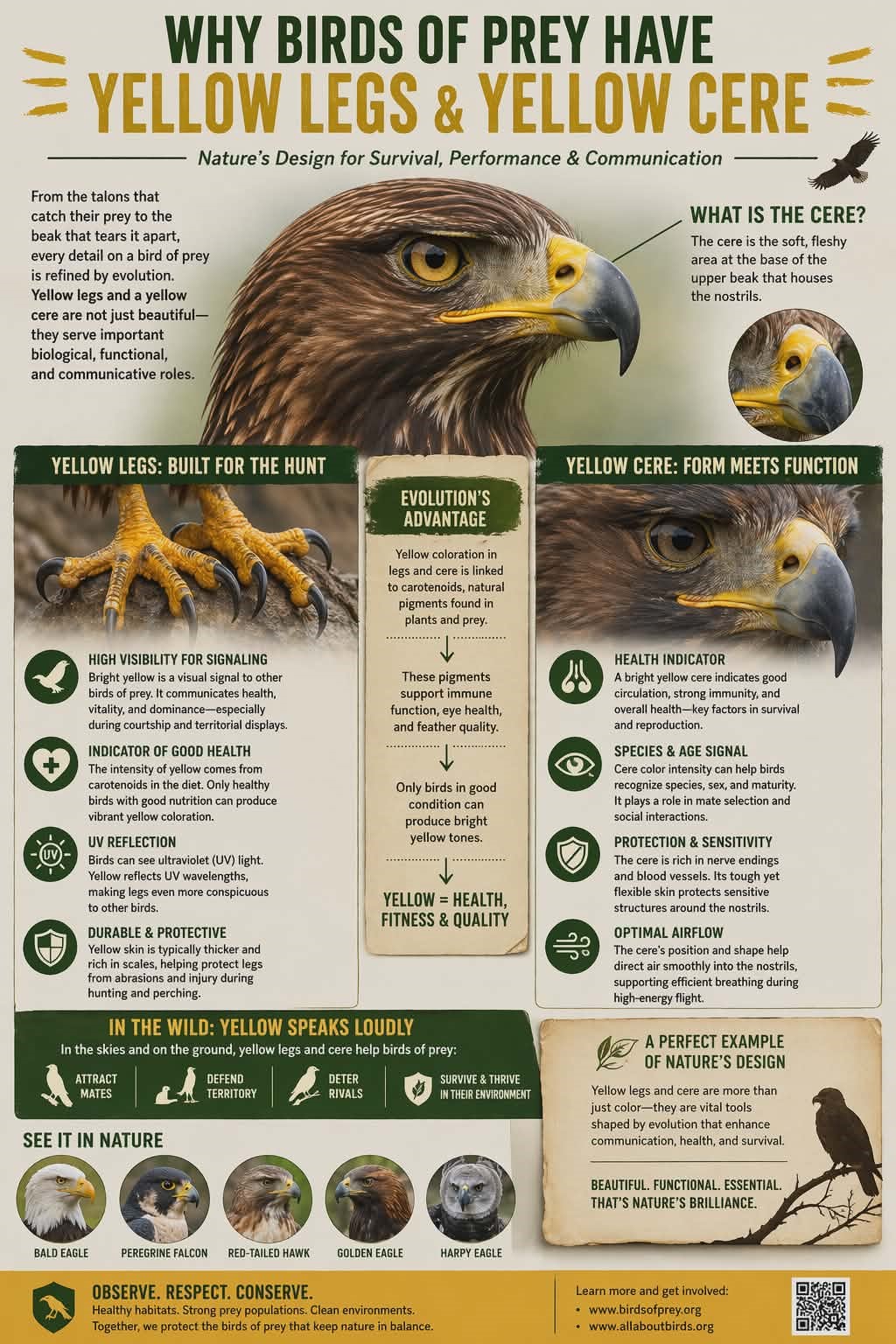
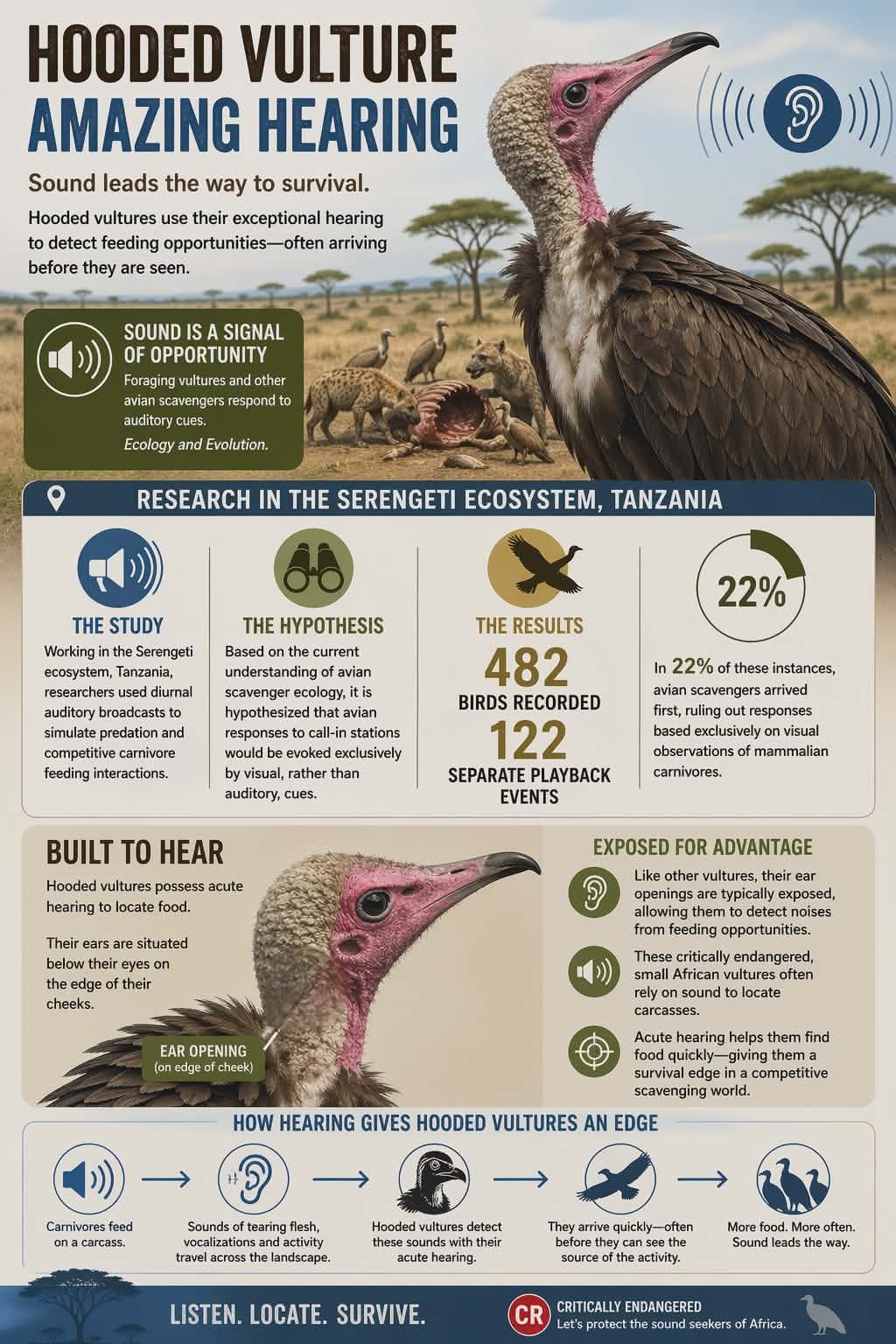
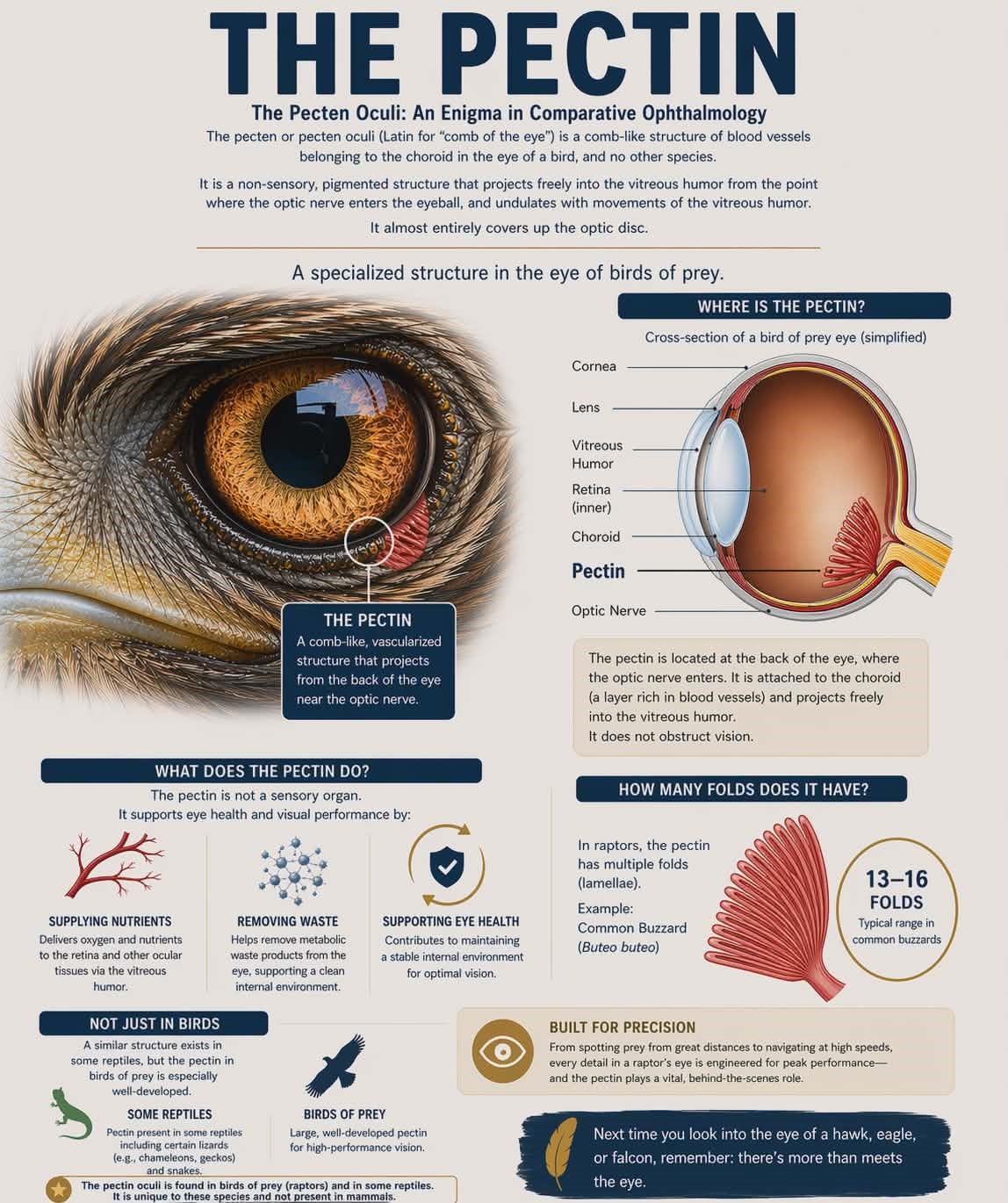
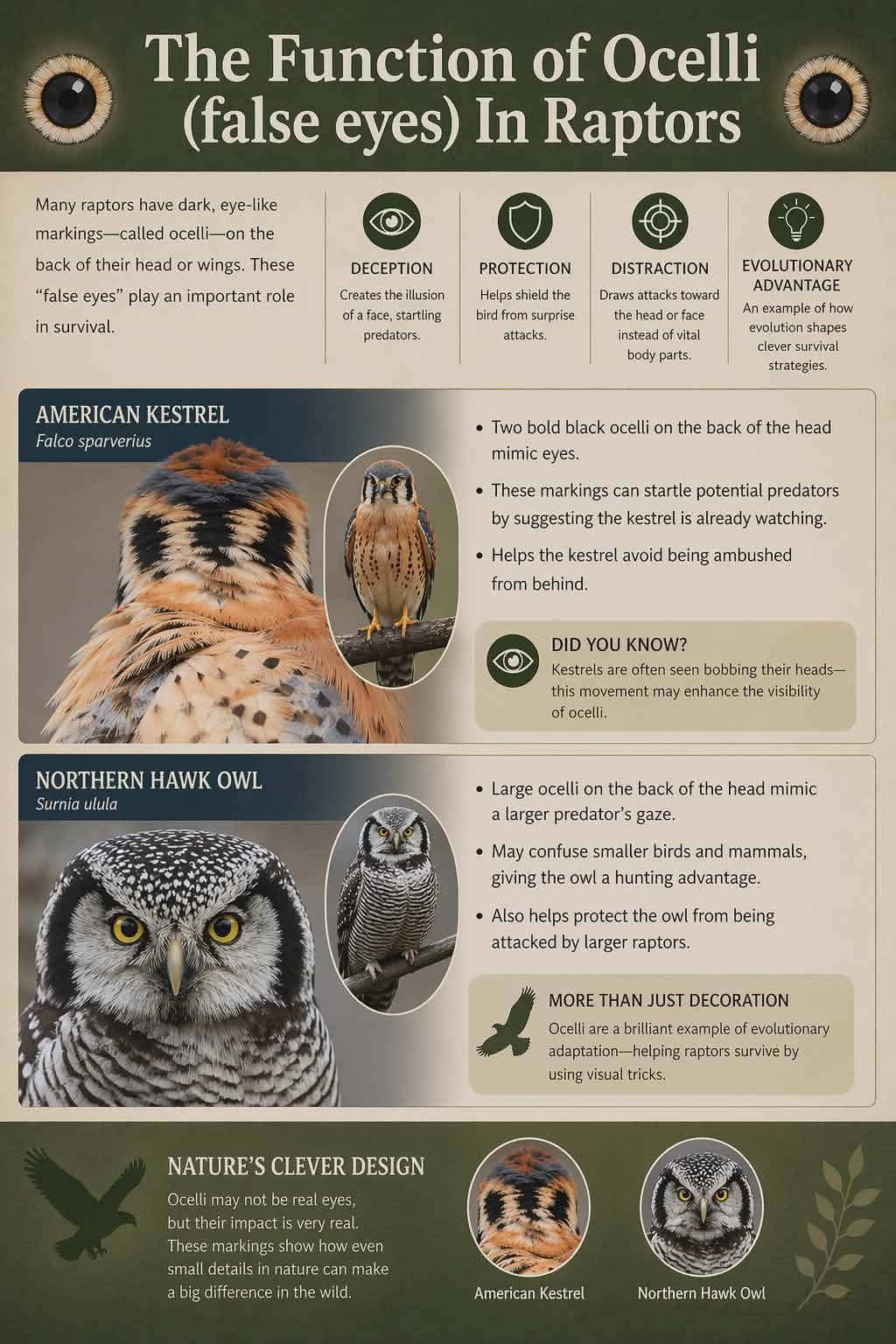
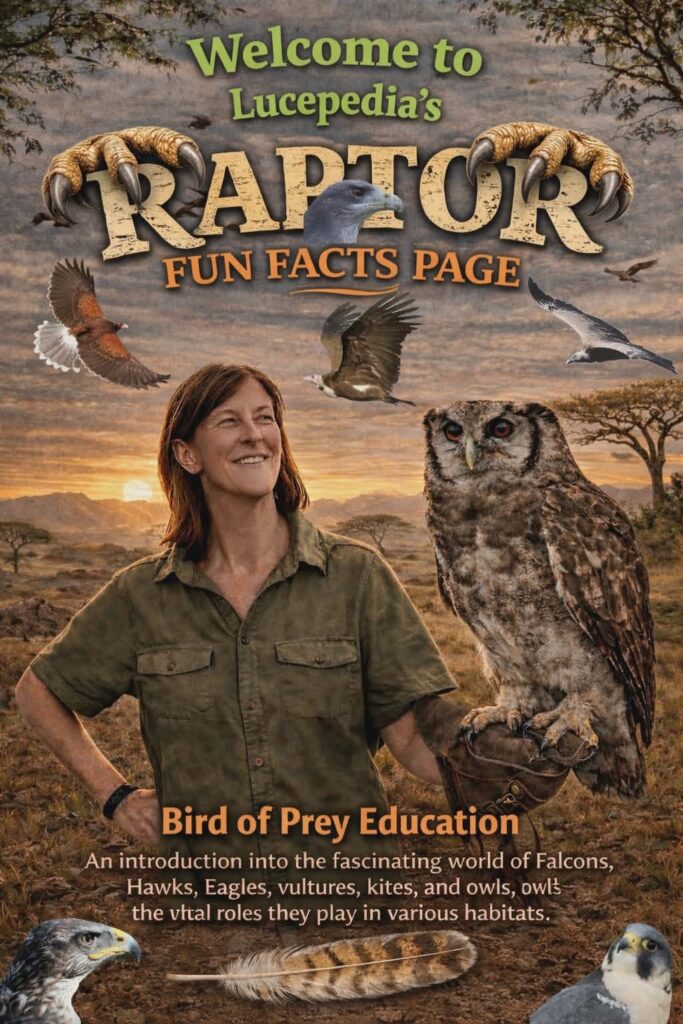
We aim to SOAR visitors to new Educational heights. Learn what makes these beautiful Magestic raptors so special. Discover our magnificent team, highlighting Falconiformes and Strigiformes from around the globe, such as Falcons, Hawks, Eagles, Buzzards, Vultures and Owls.
Learn where they live
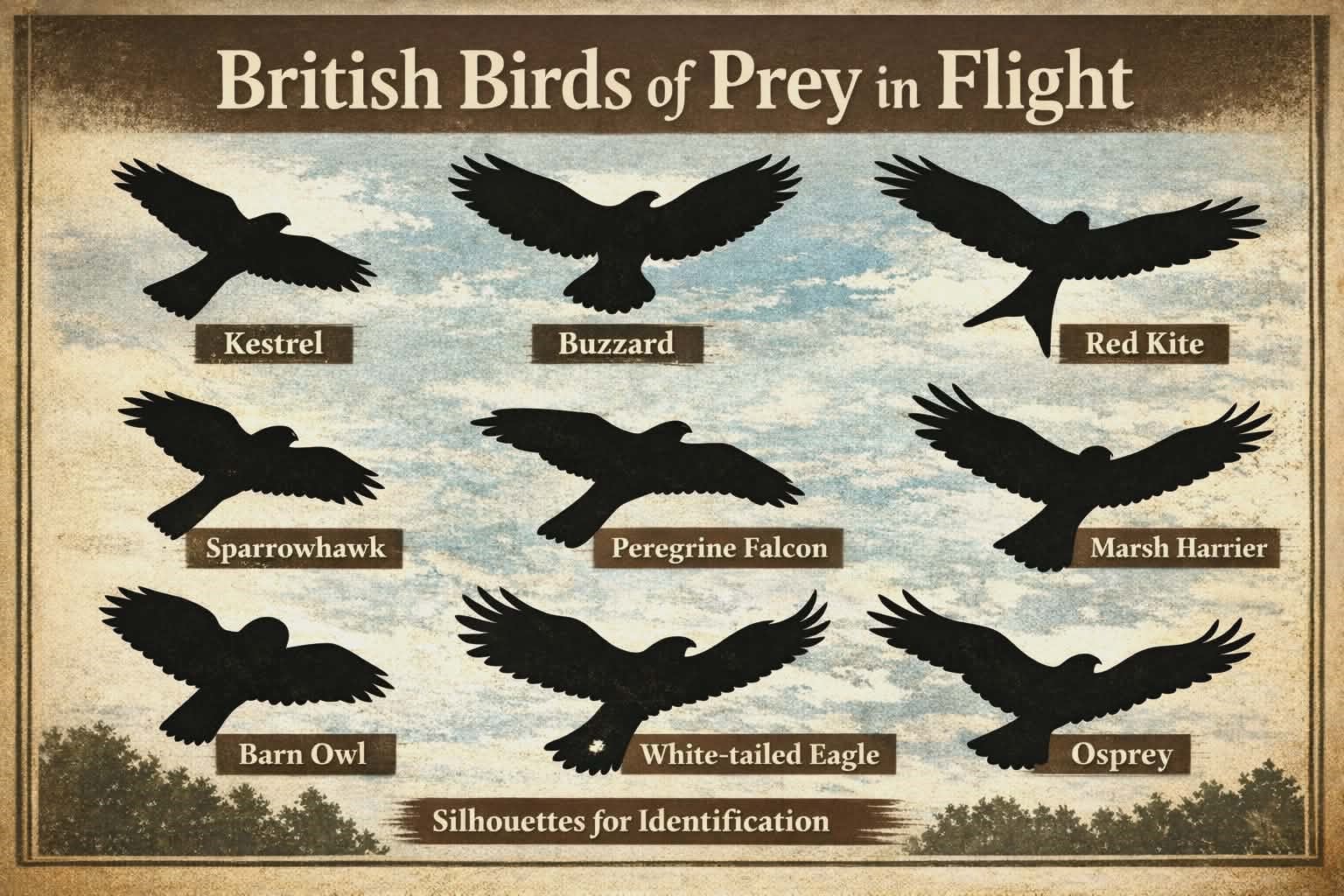
how to identify them
favourite foods
shapes and sizes
flight survival strategies
adorable fun facts here.
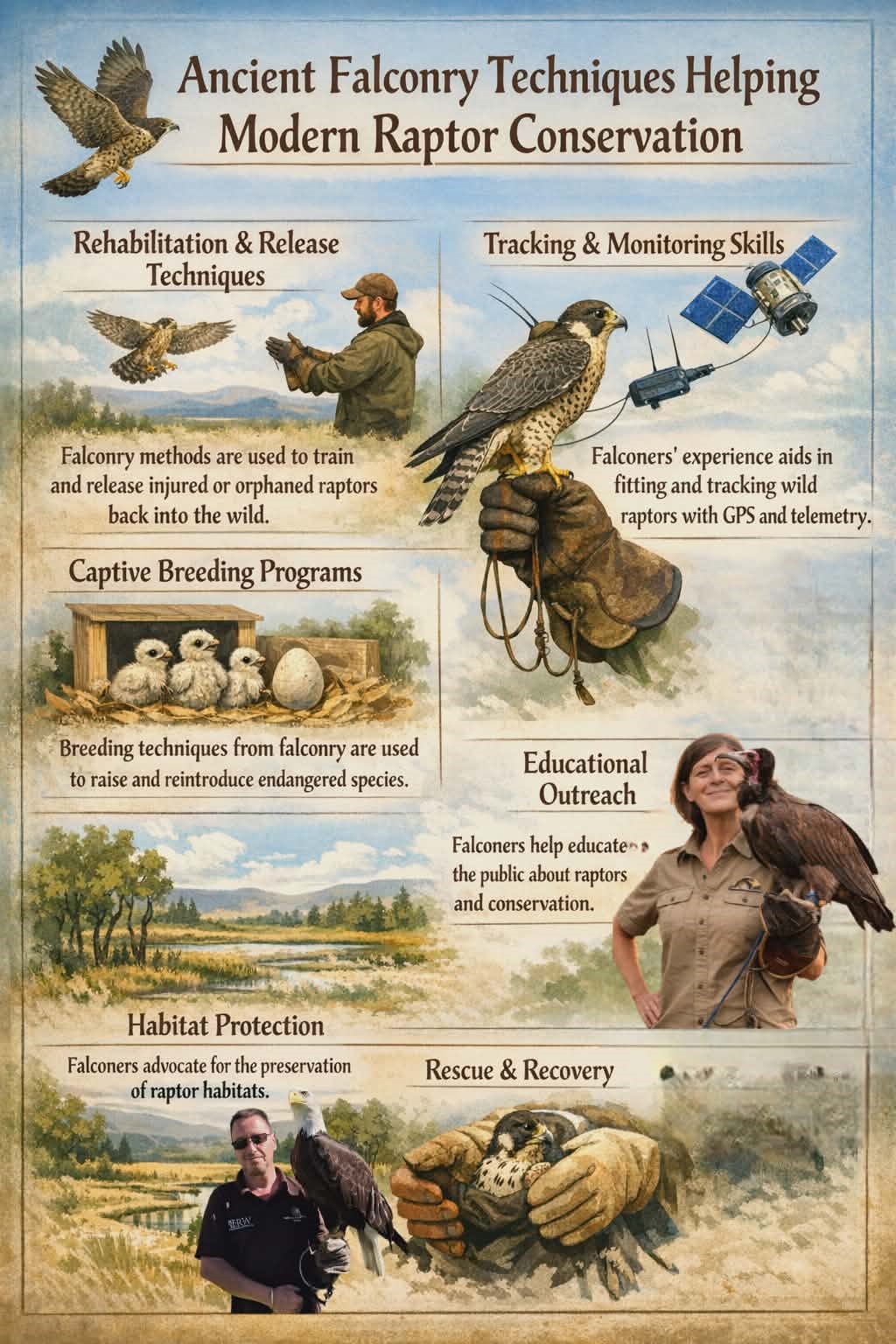
We aim to inspire through fun and interesting facts that will stay in your hearts forever to improve upon a rapid shifting bassline and together we can learn, protect, and enhance the lives of birds of prey and their habitats, cultivating an appreciation for our feathered friends. this page is ideal for visual explorers.
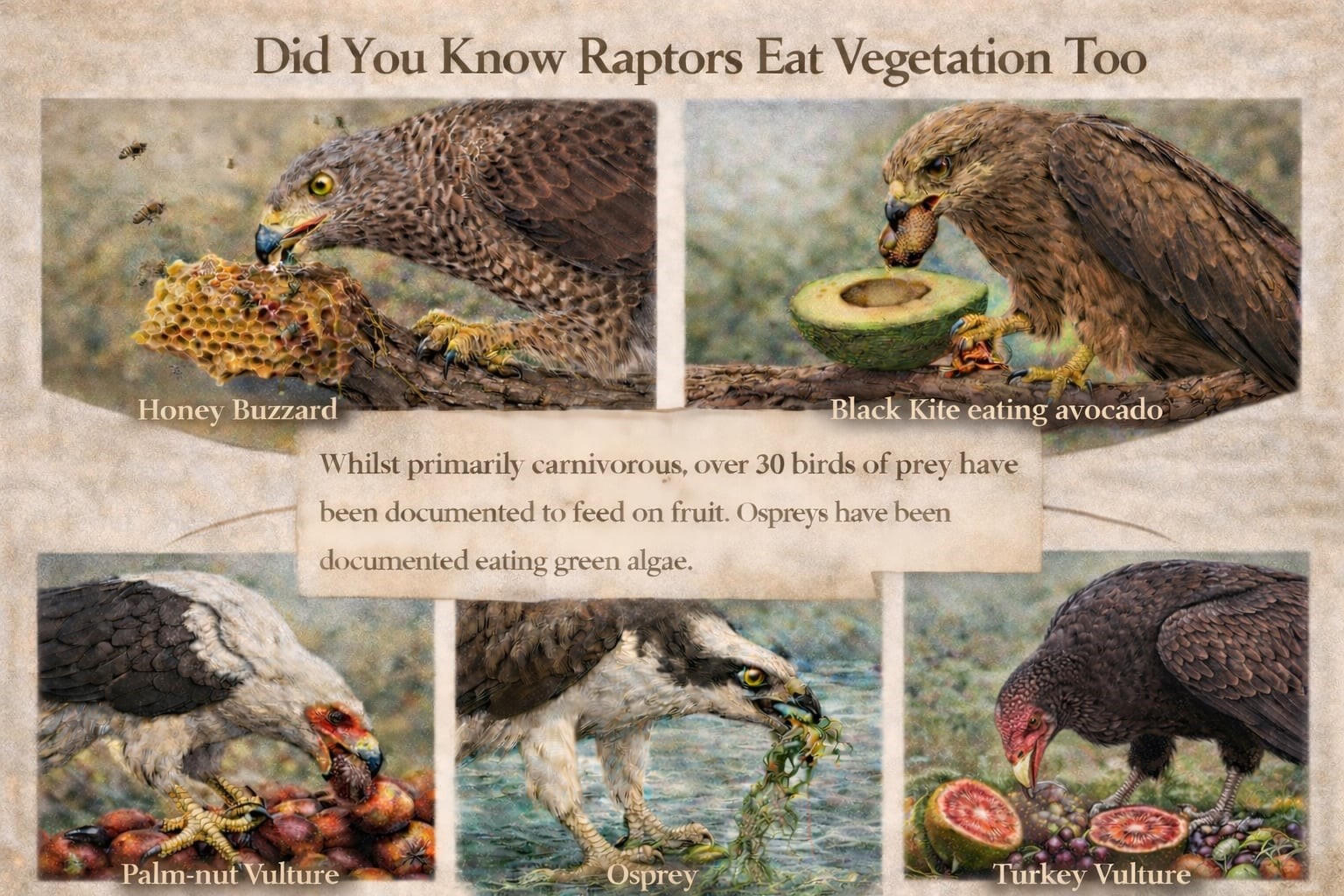
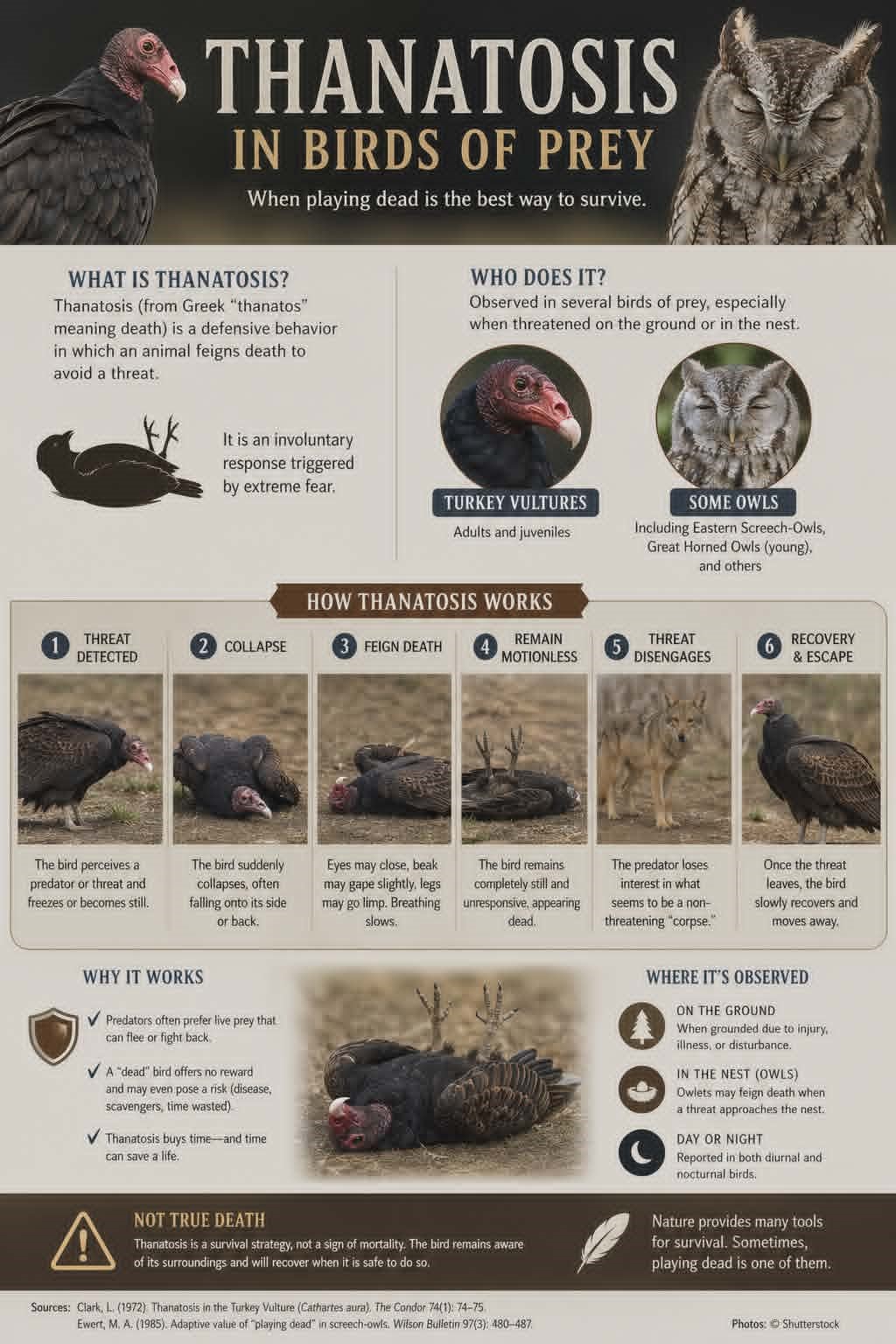
Birds of prey are hyper-carnivorous, feeding upon other vertebrates and in-vertabrates. Their hunting strategies remove old, sick, diseased and weak animals from prey populations (raptors are top of the food chain), maintaining eco health. they are great bioindicators, which means their health and population, in an area, reflect the health of habitats overall.
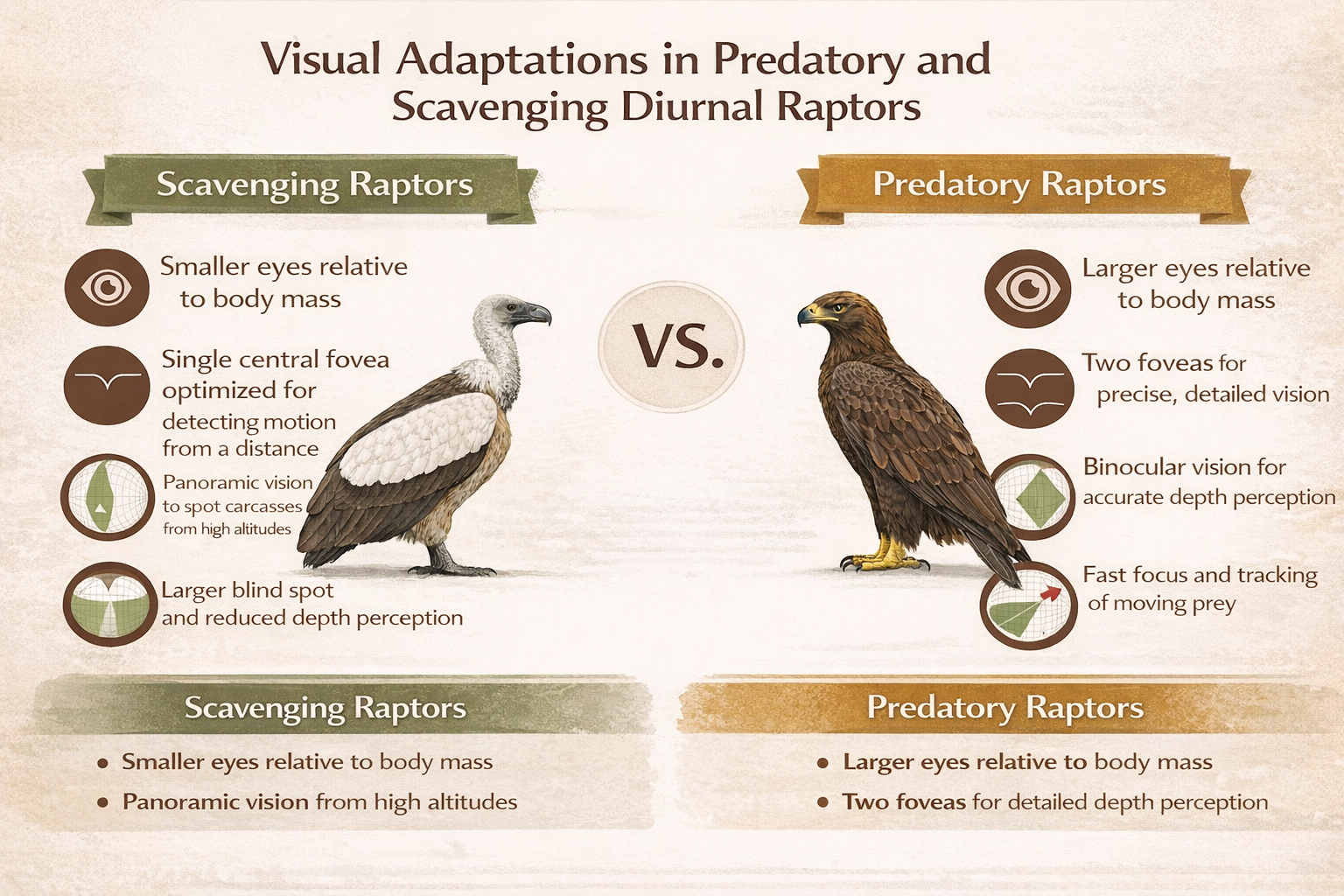
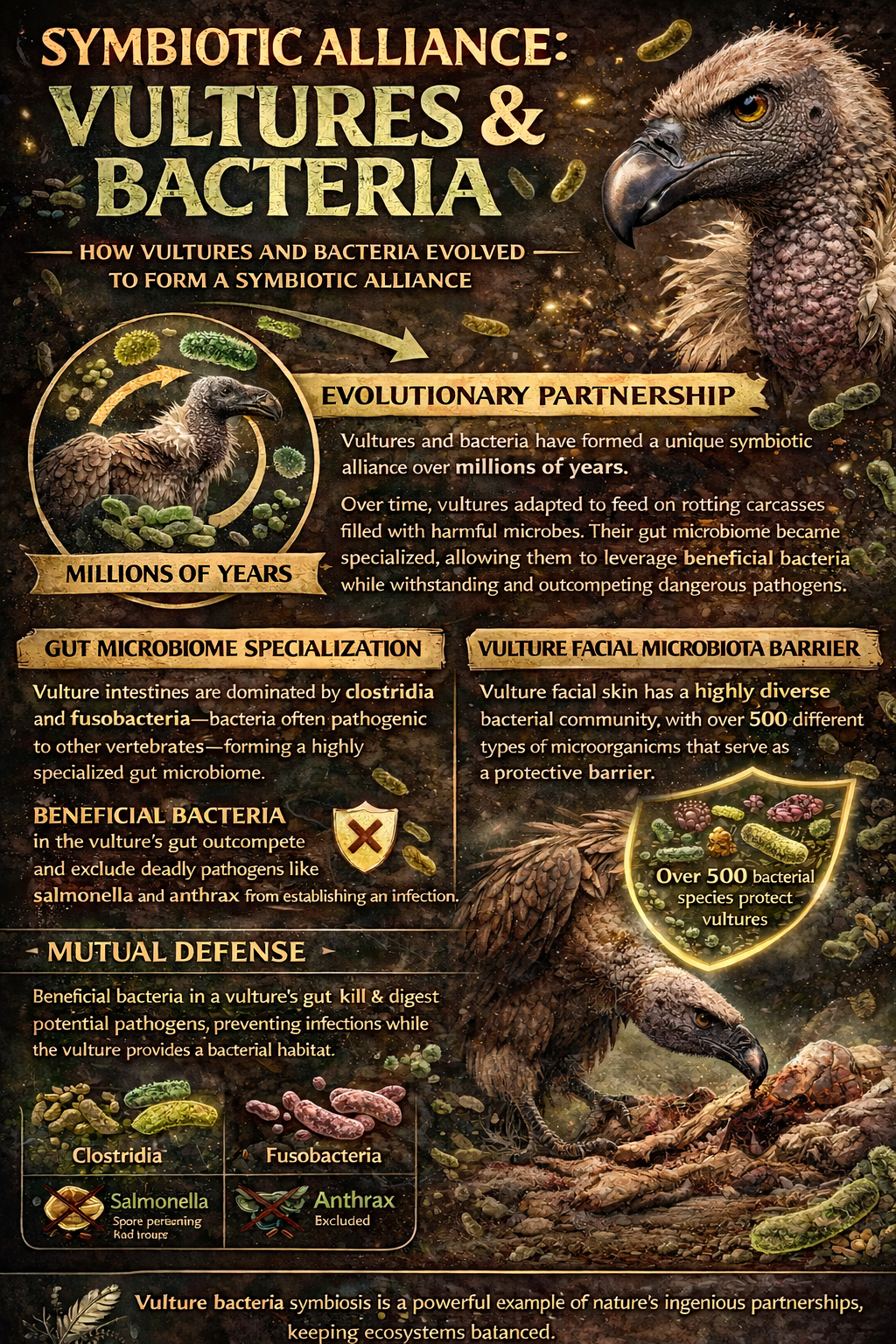
Raptors can be categorised by the foraging behaviours as being either Faculative or Obligate scavengers, whilst also acting as active predators, or specialized for eating carrion.
Birds of prey can be found adapting to almost any type of habitat, from mountains to coastal areas, deserts to wetlands, grasslands to forests, and even some of this incredible birds can even adapt to live alongside humans in urban and peri urban environments.
What is a bird of prey? and why raptors matter.
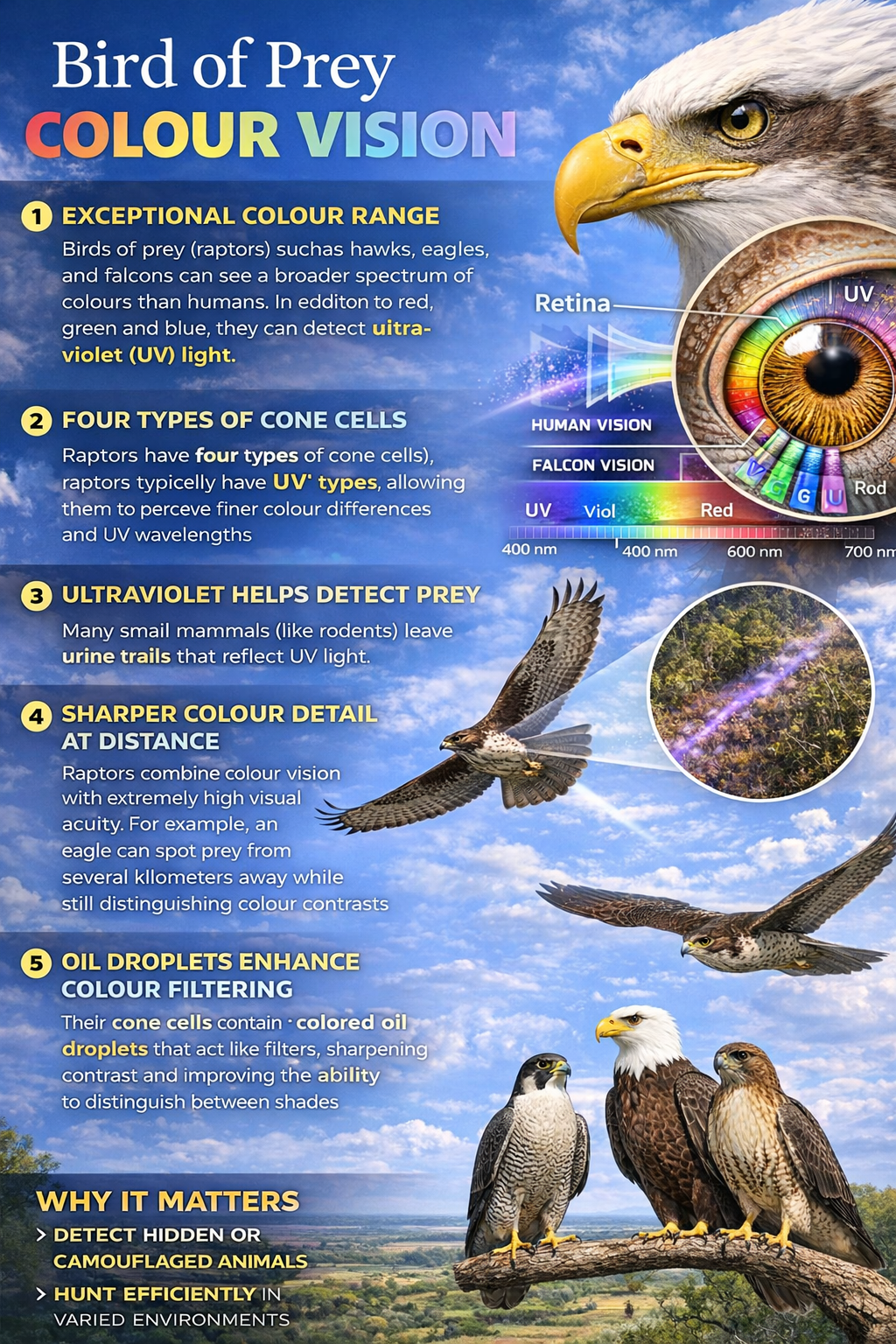
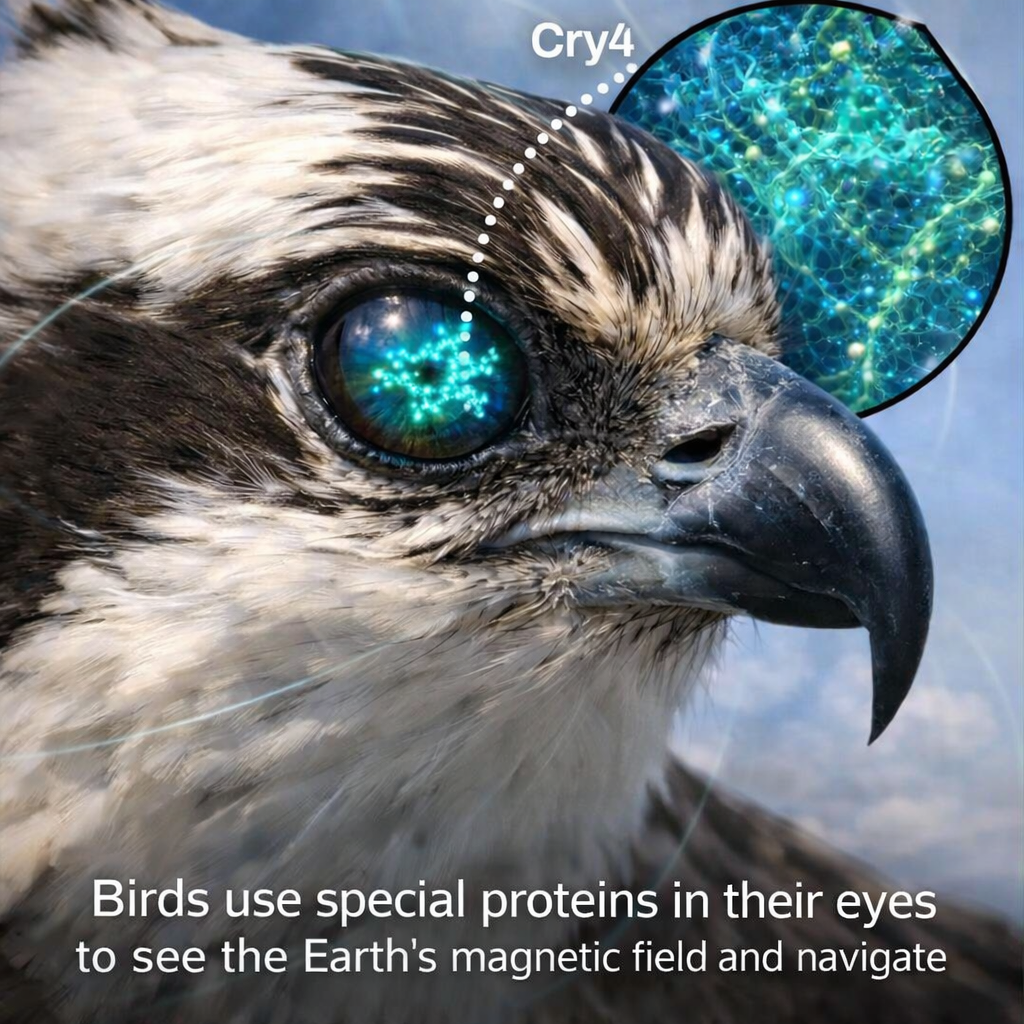
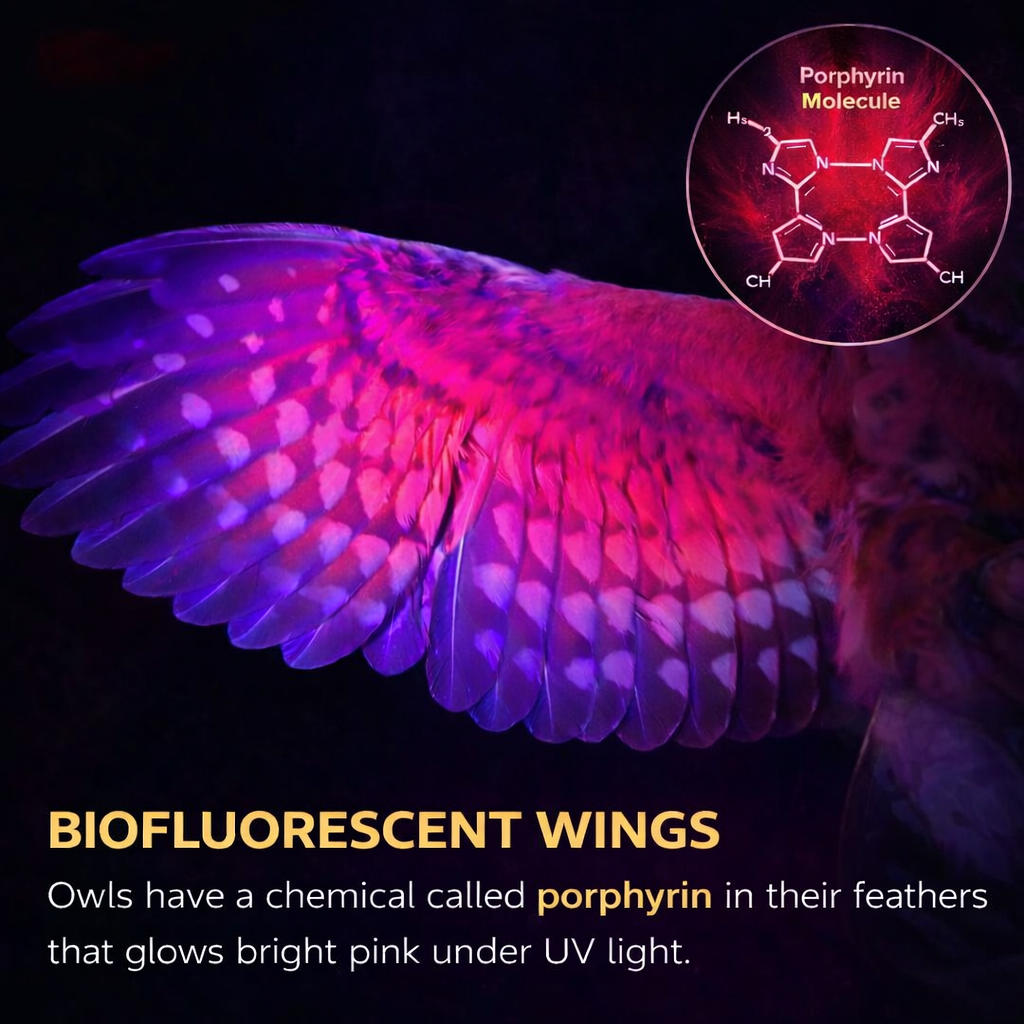
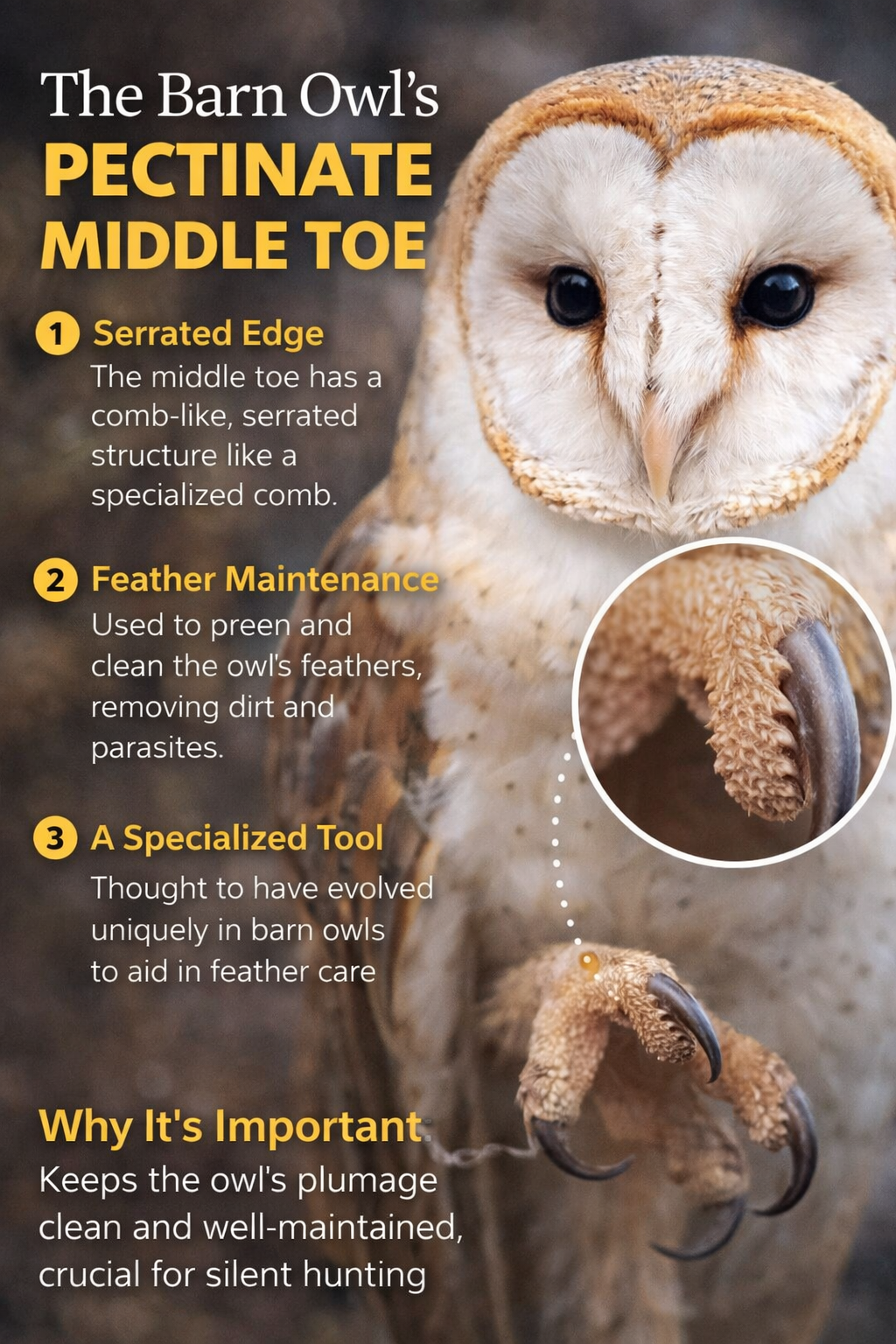
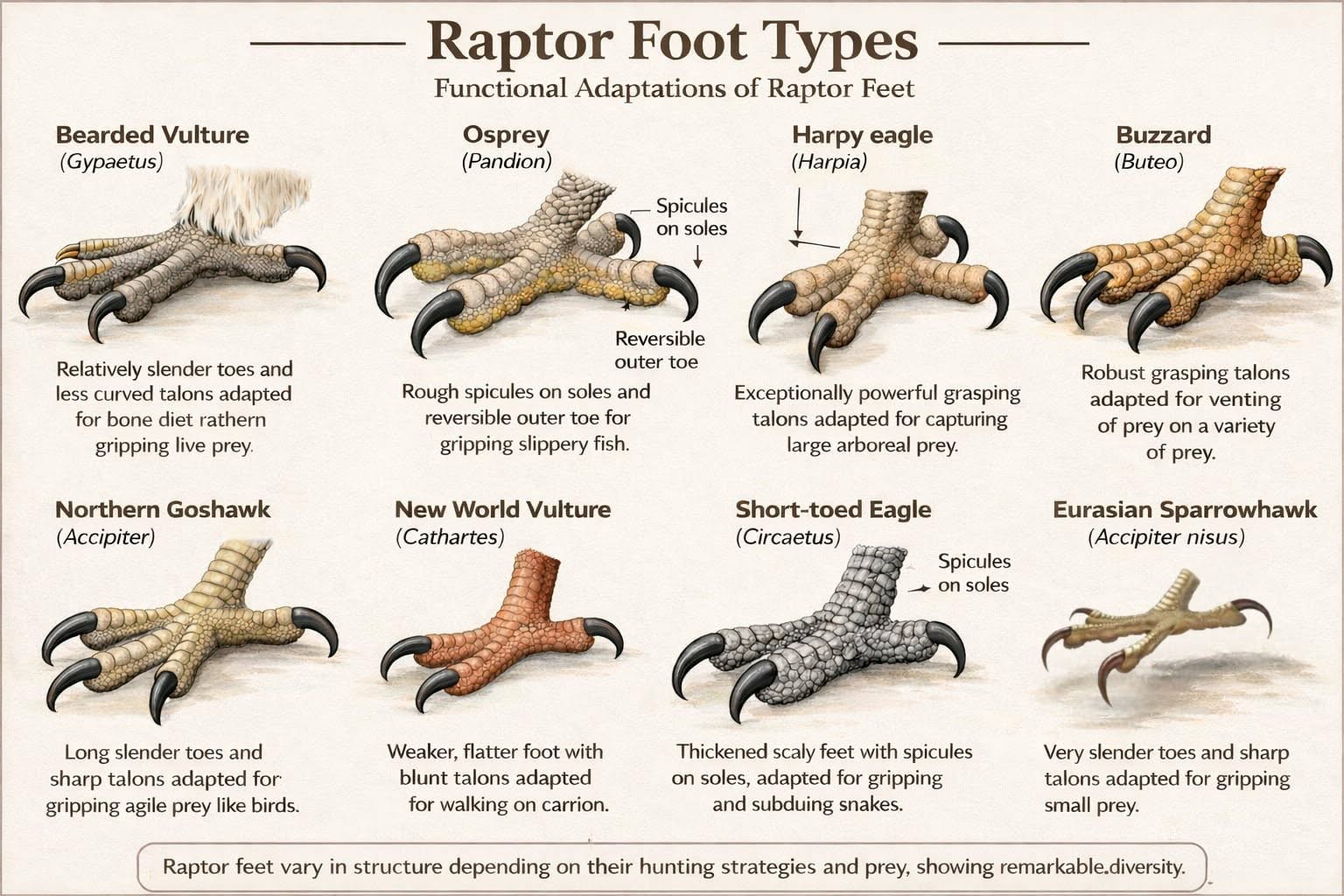
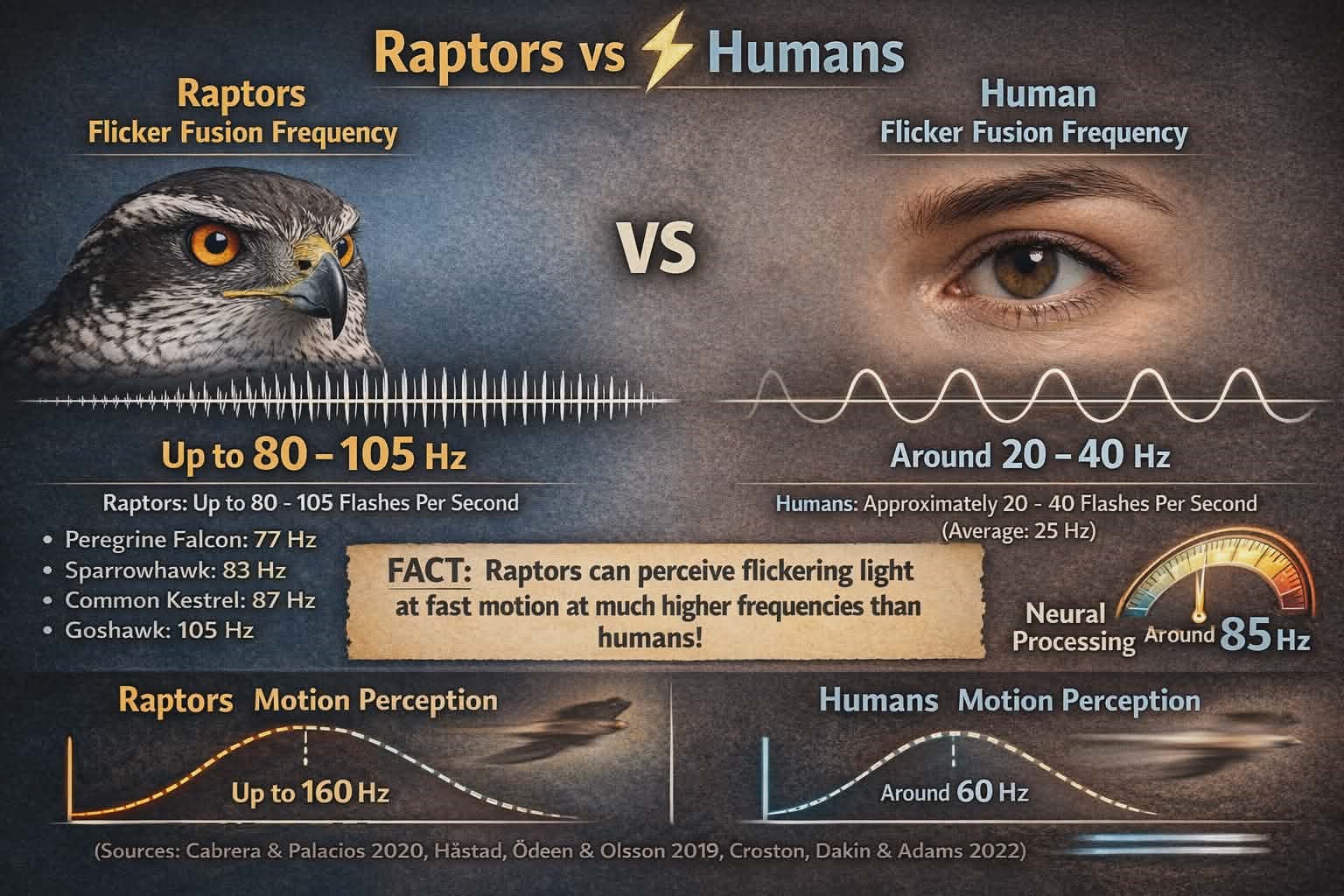
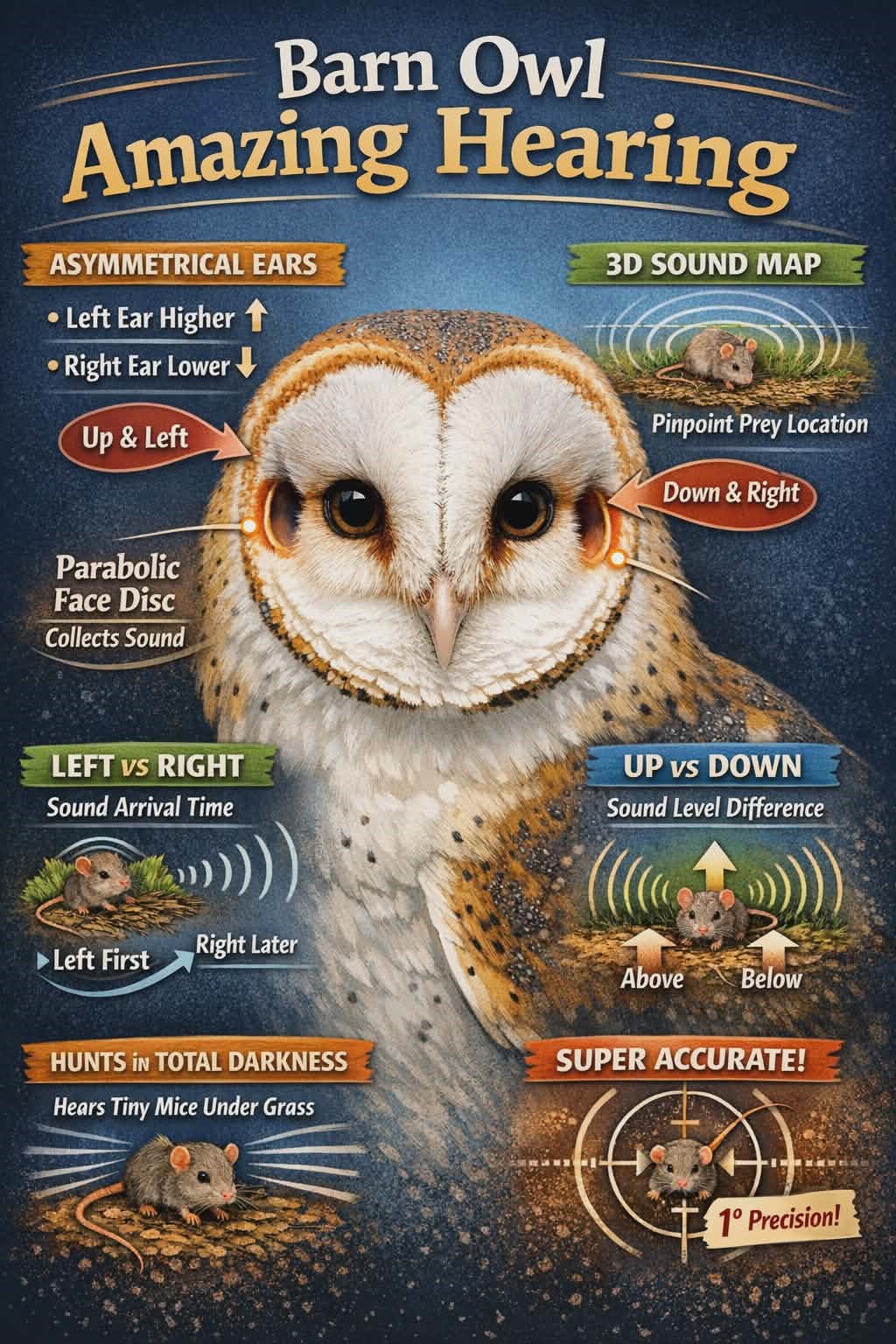
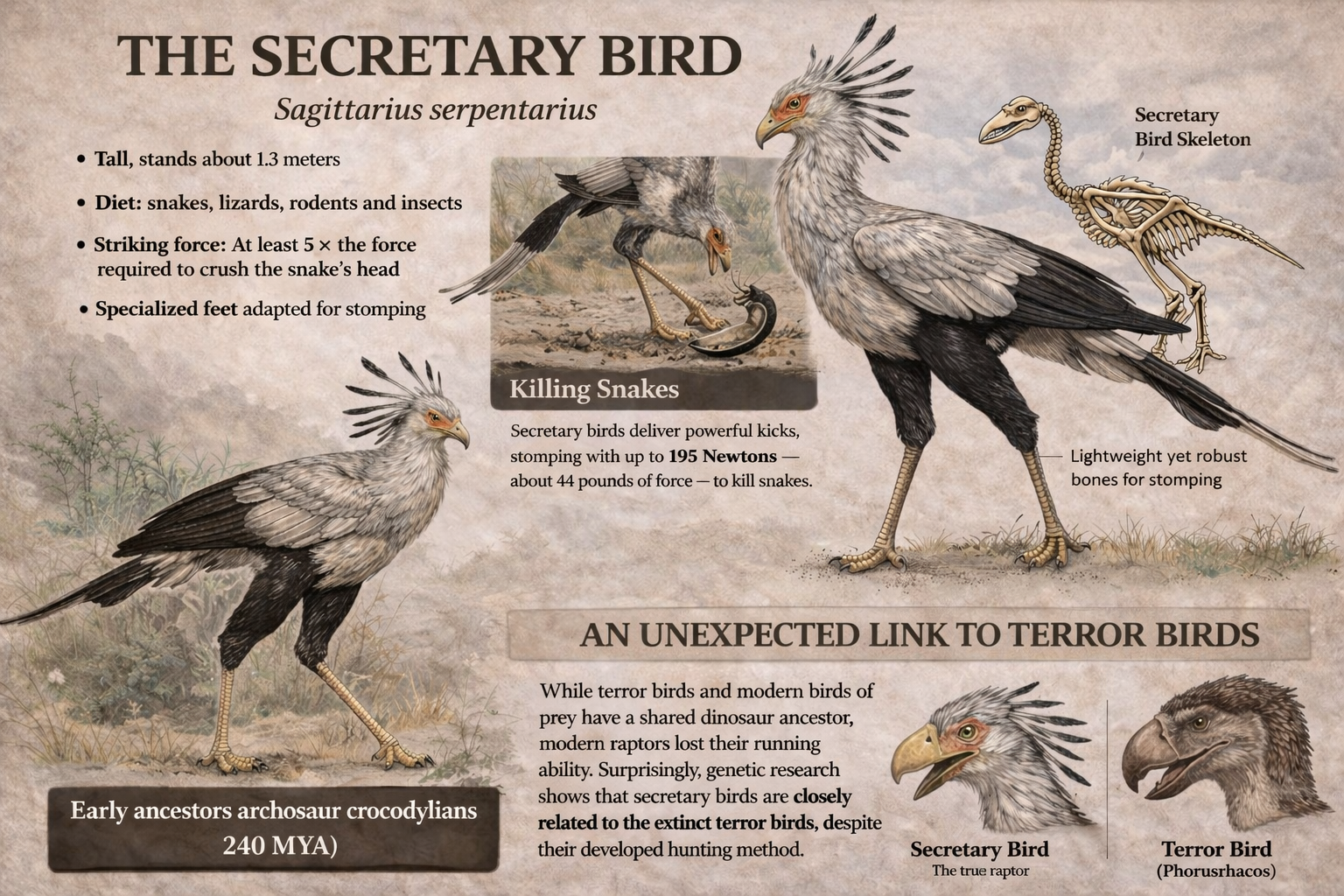
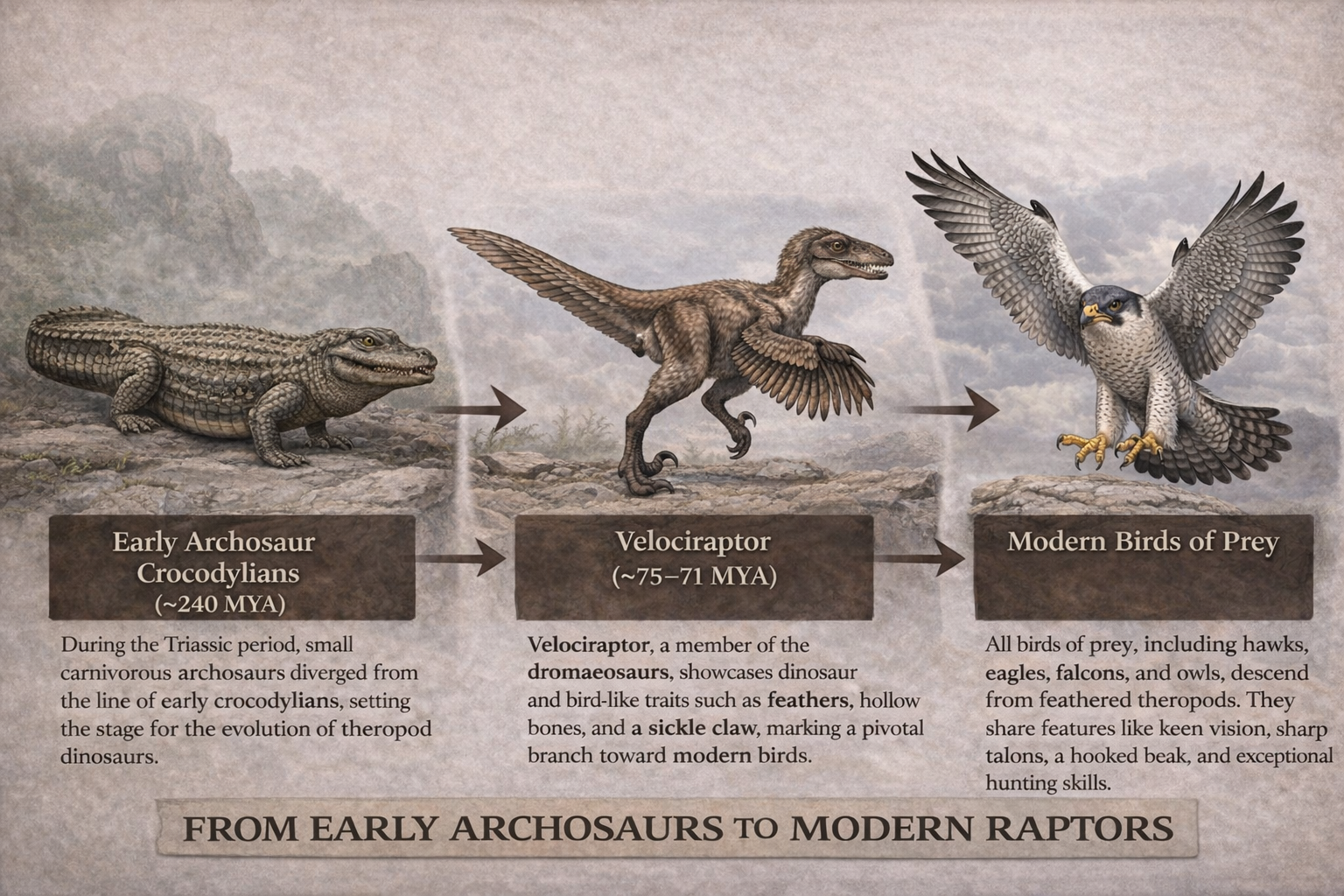
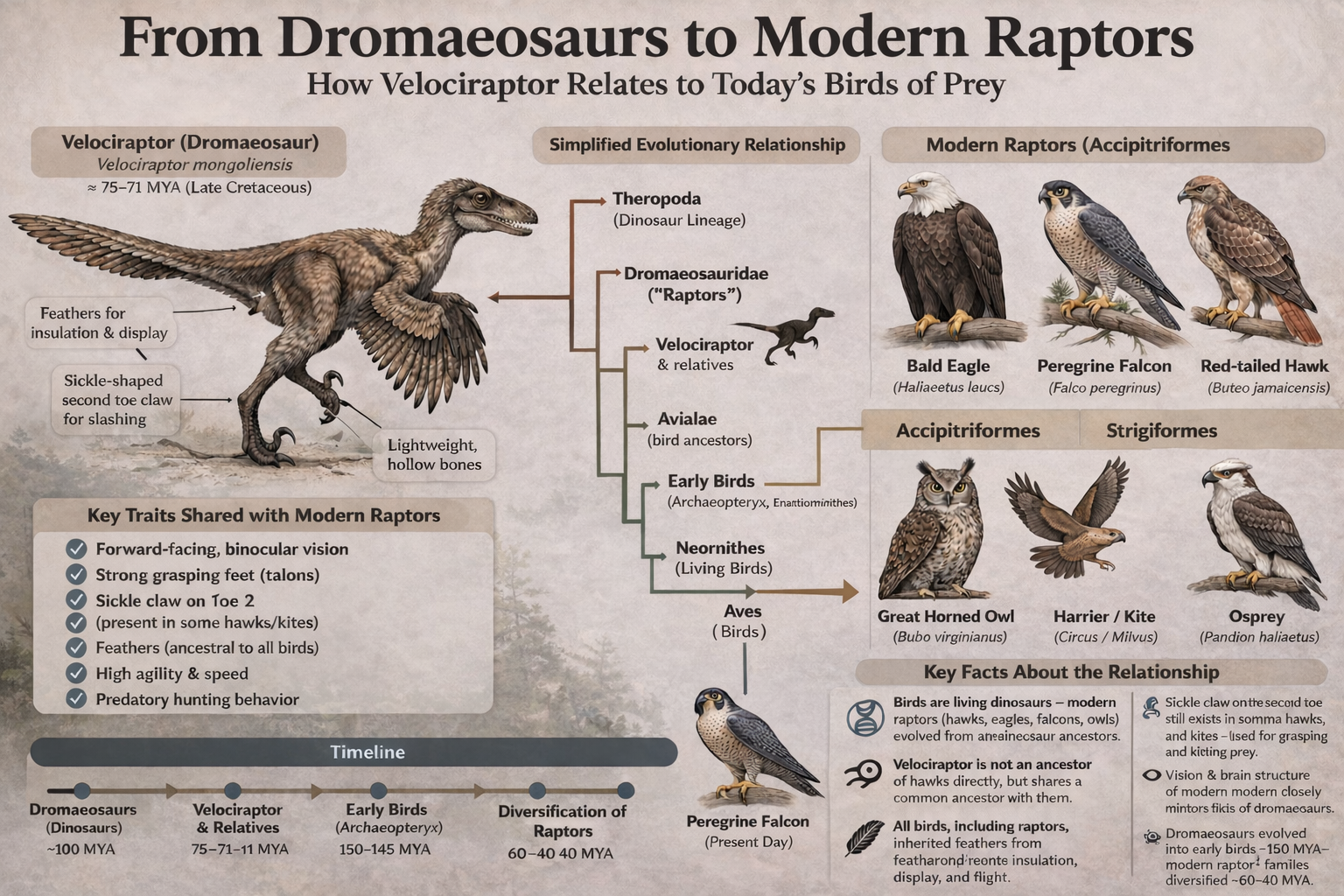
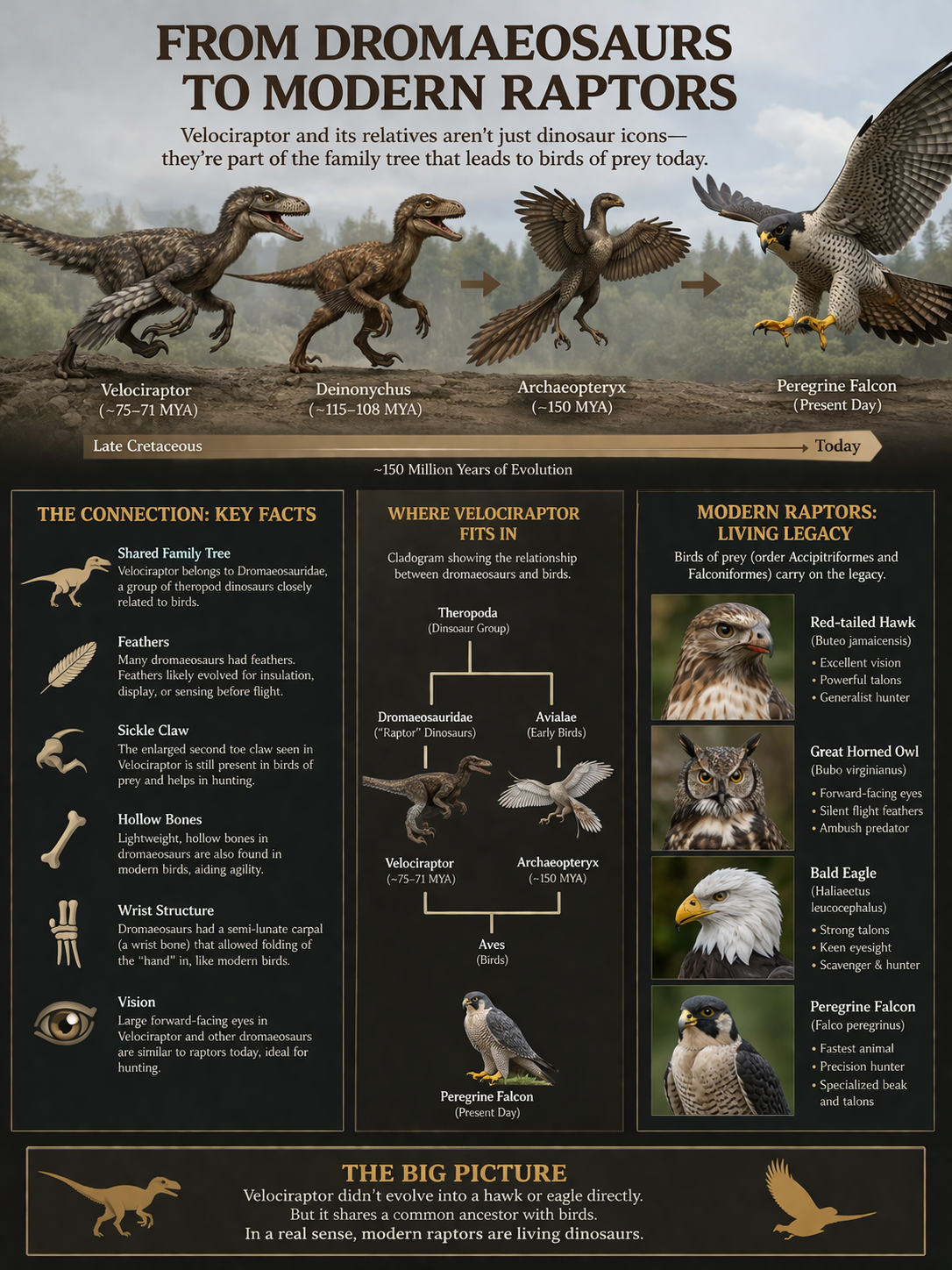
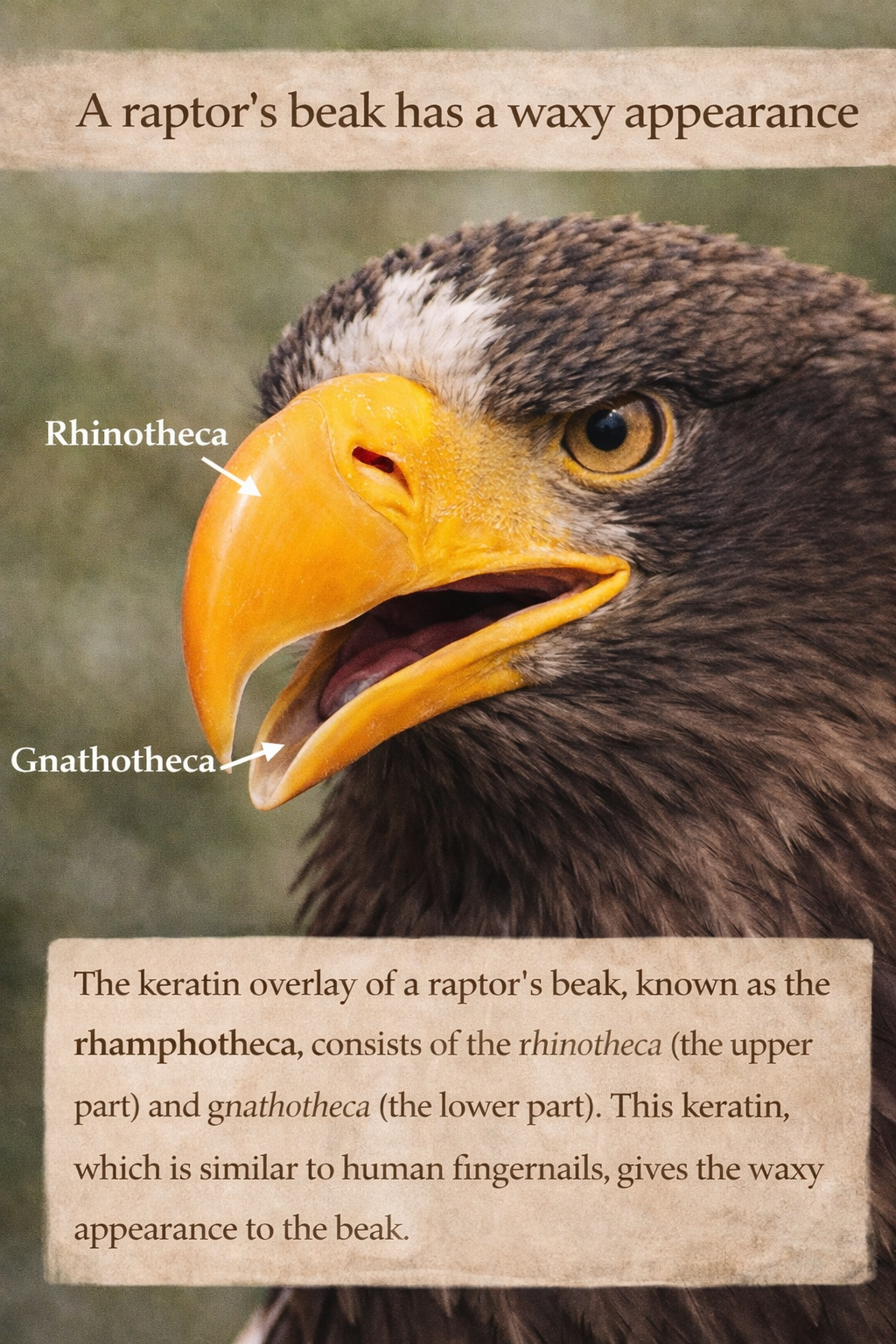
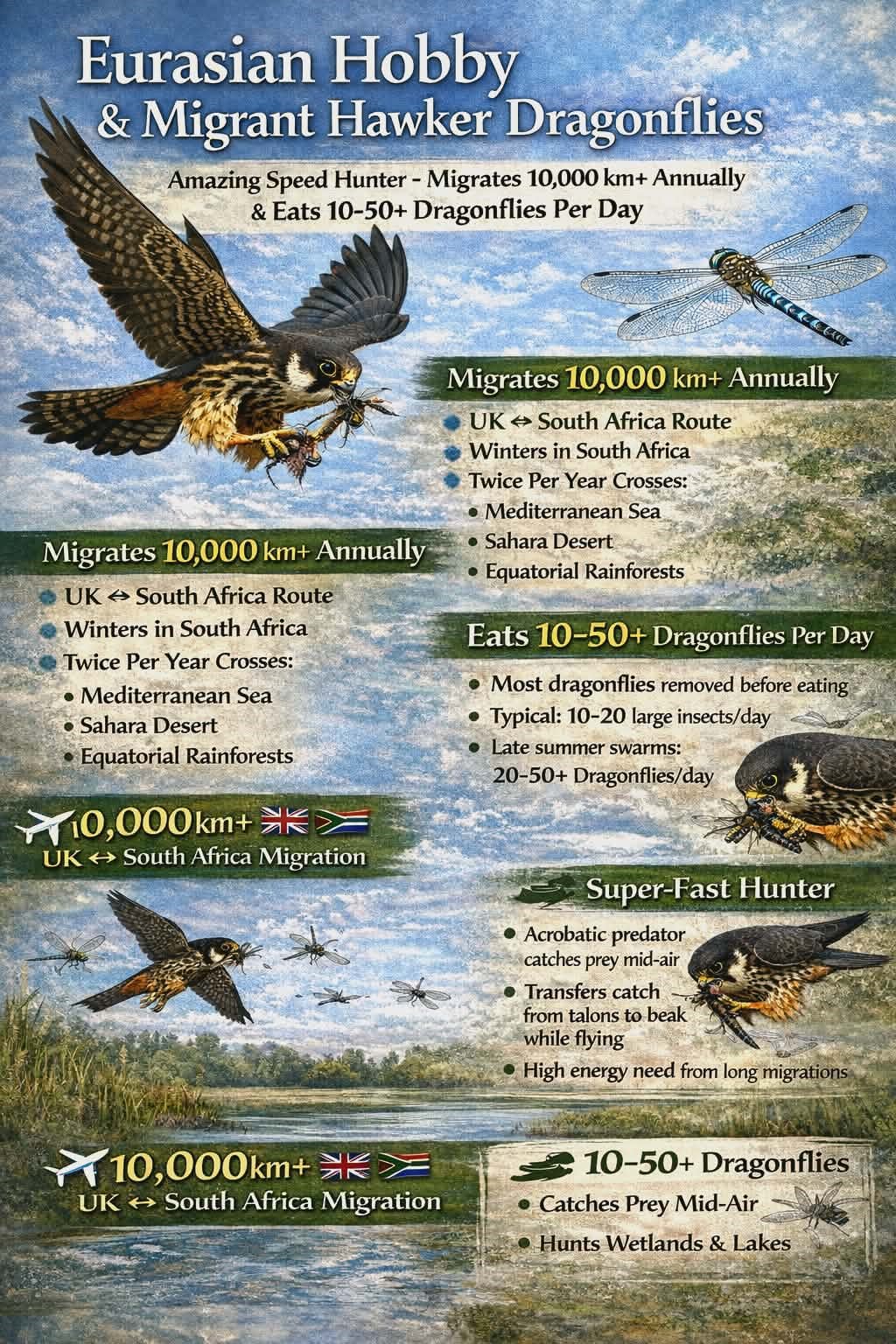
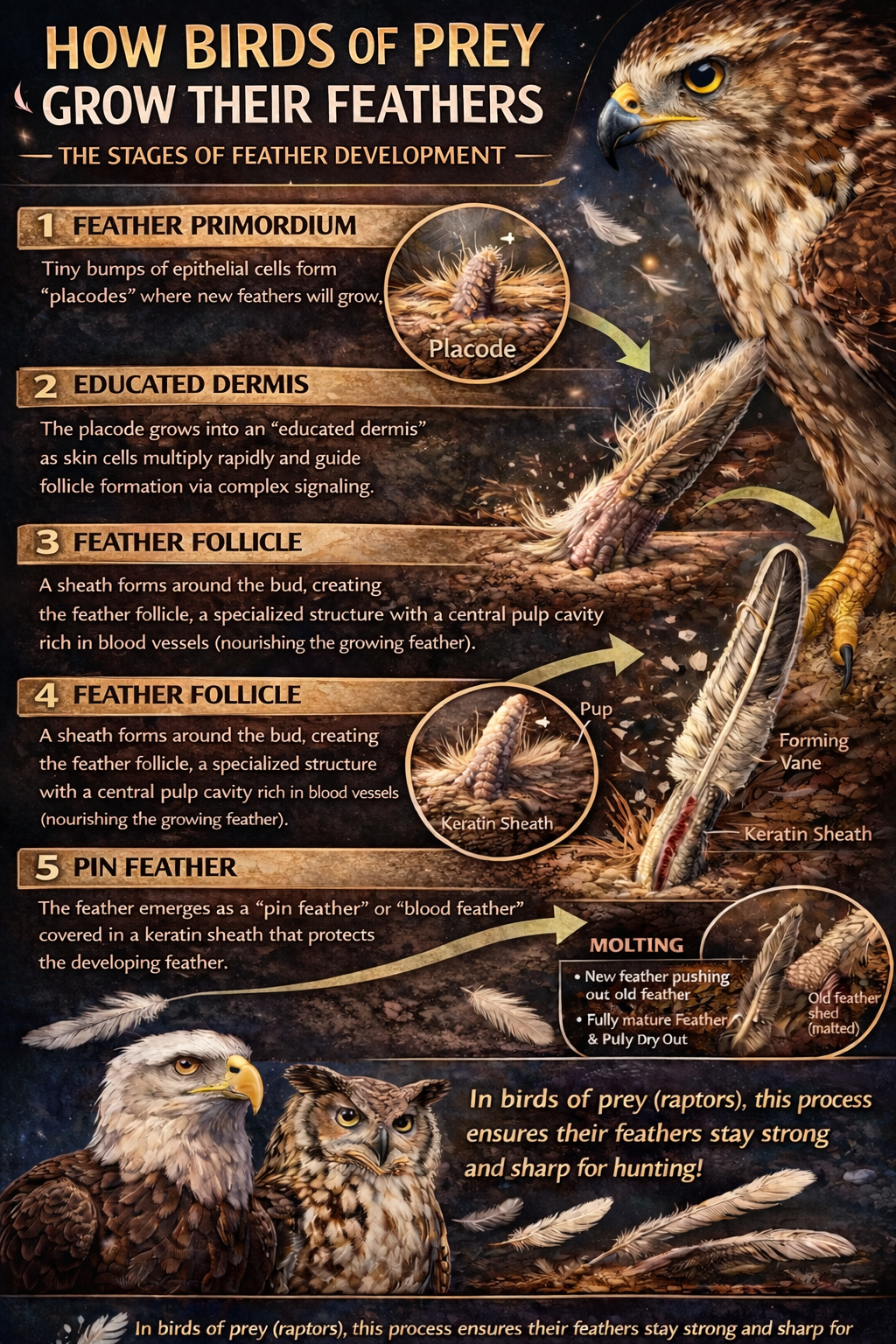
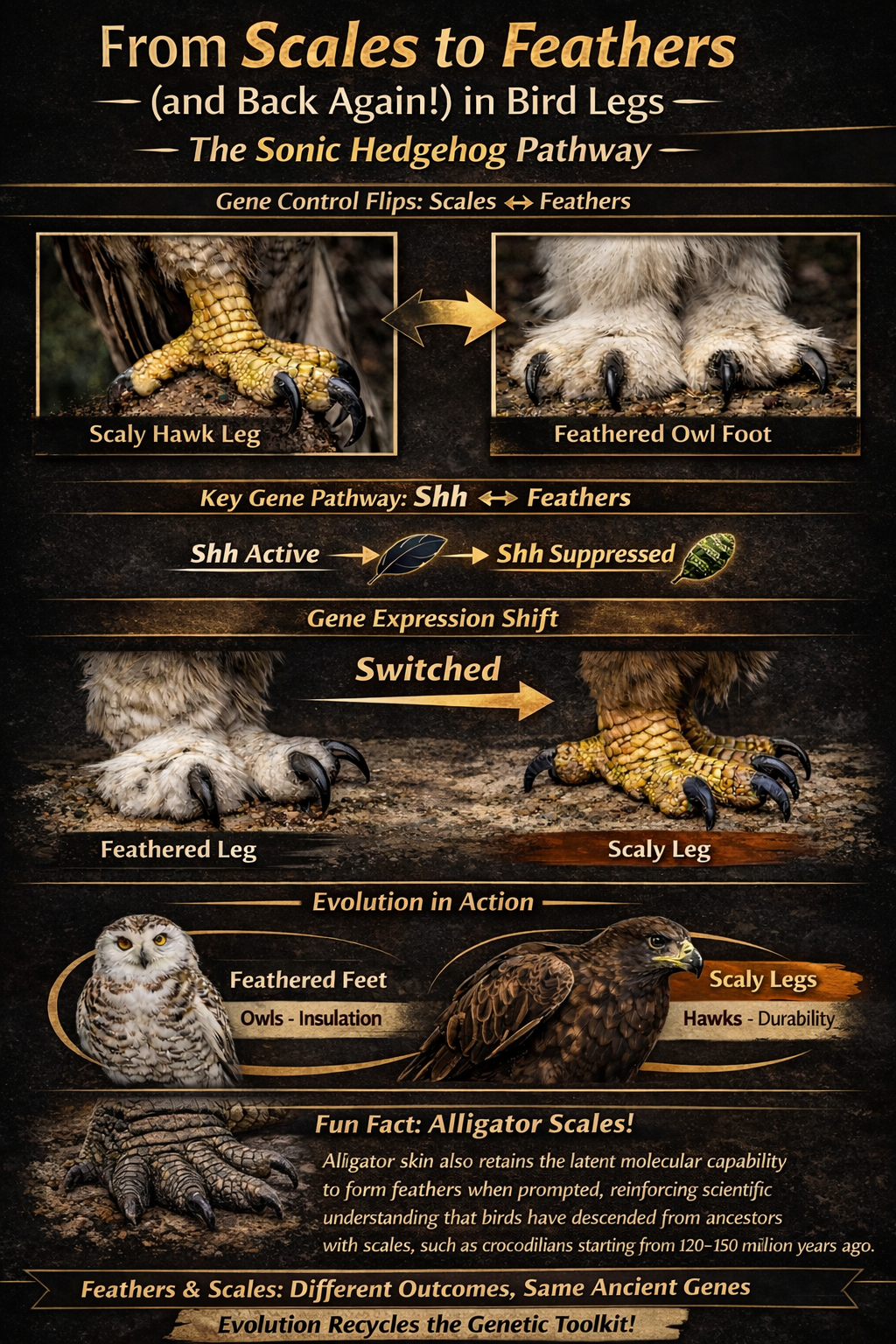
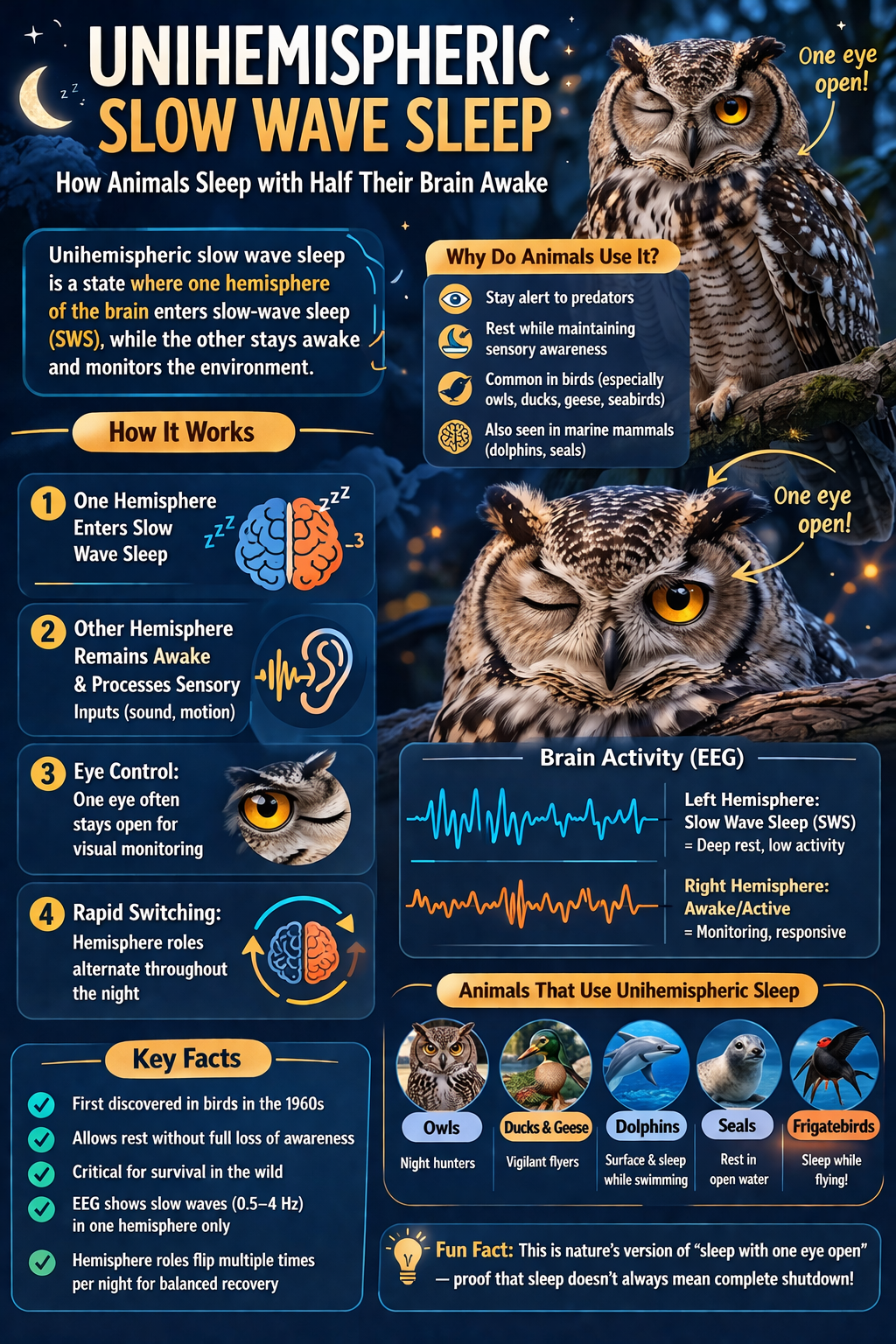
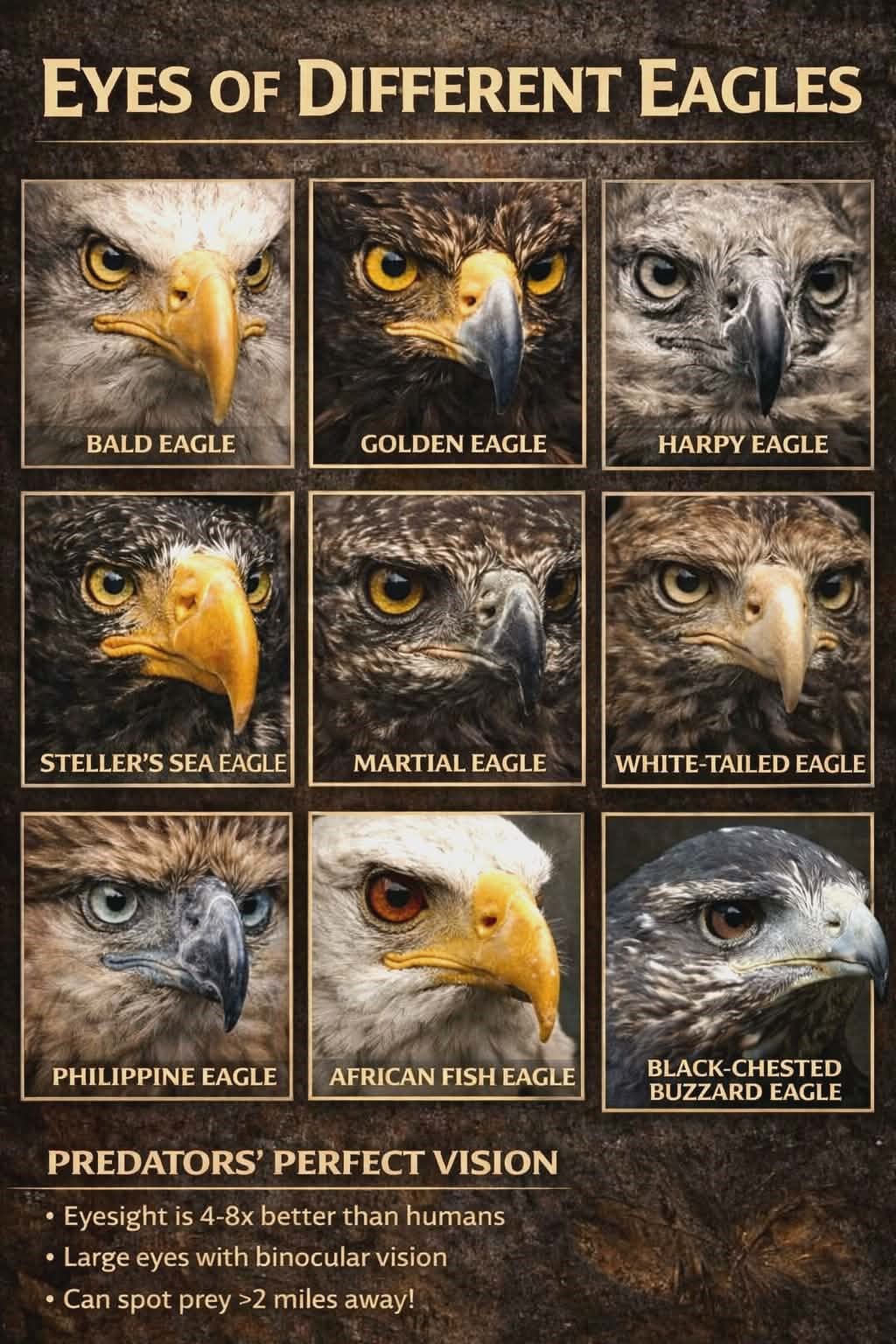
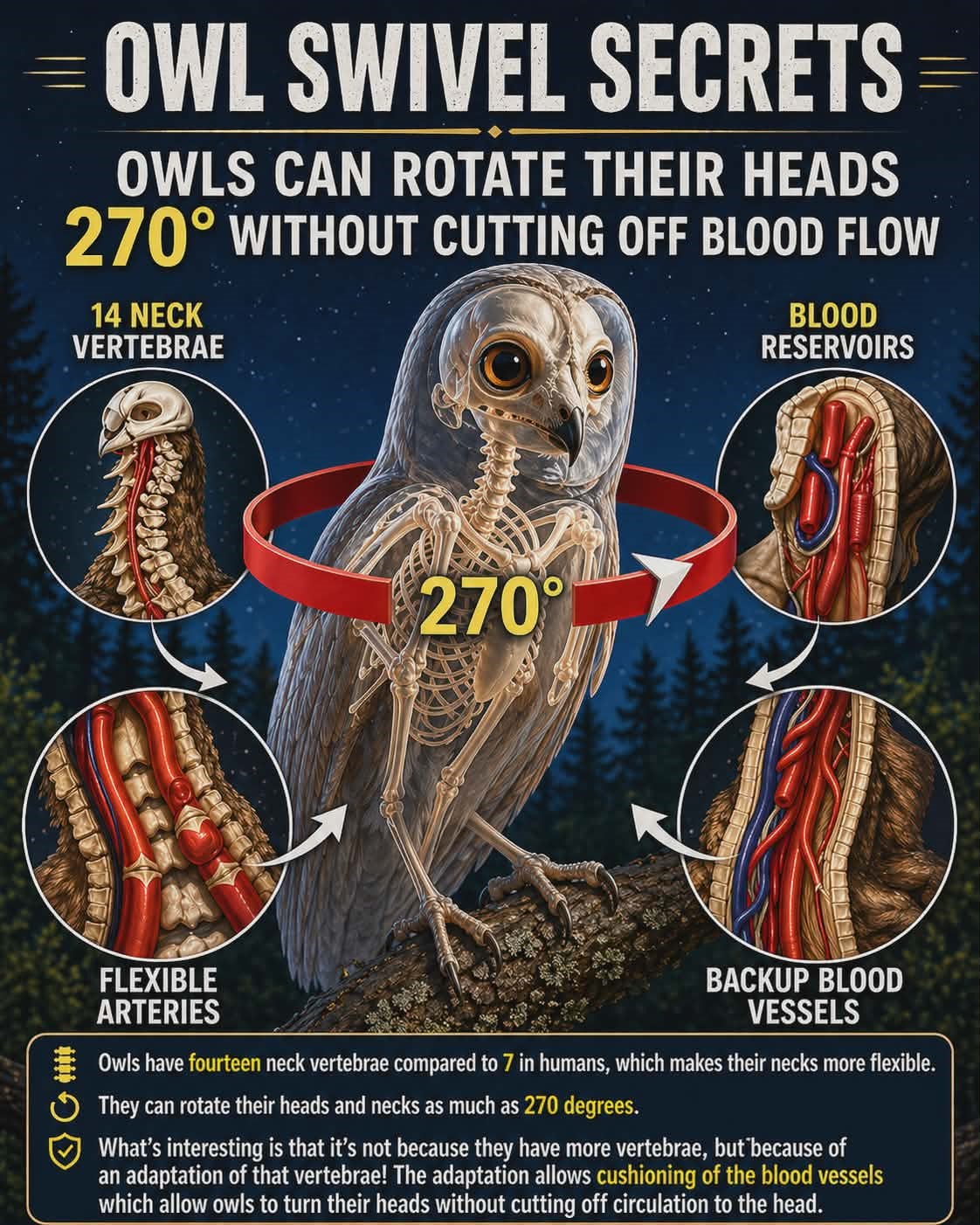
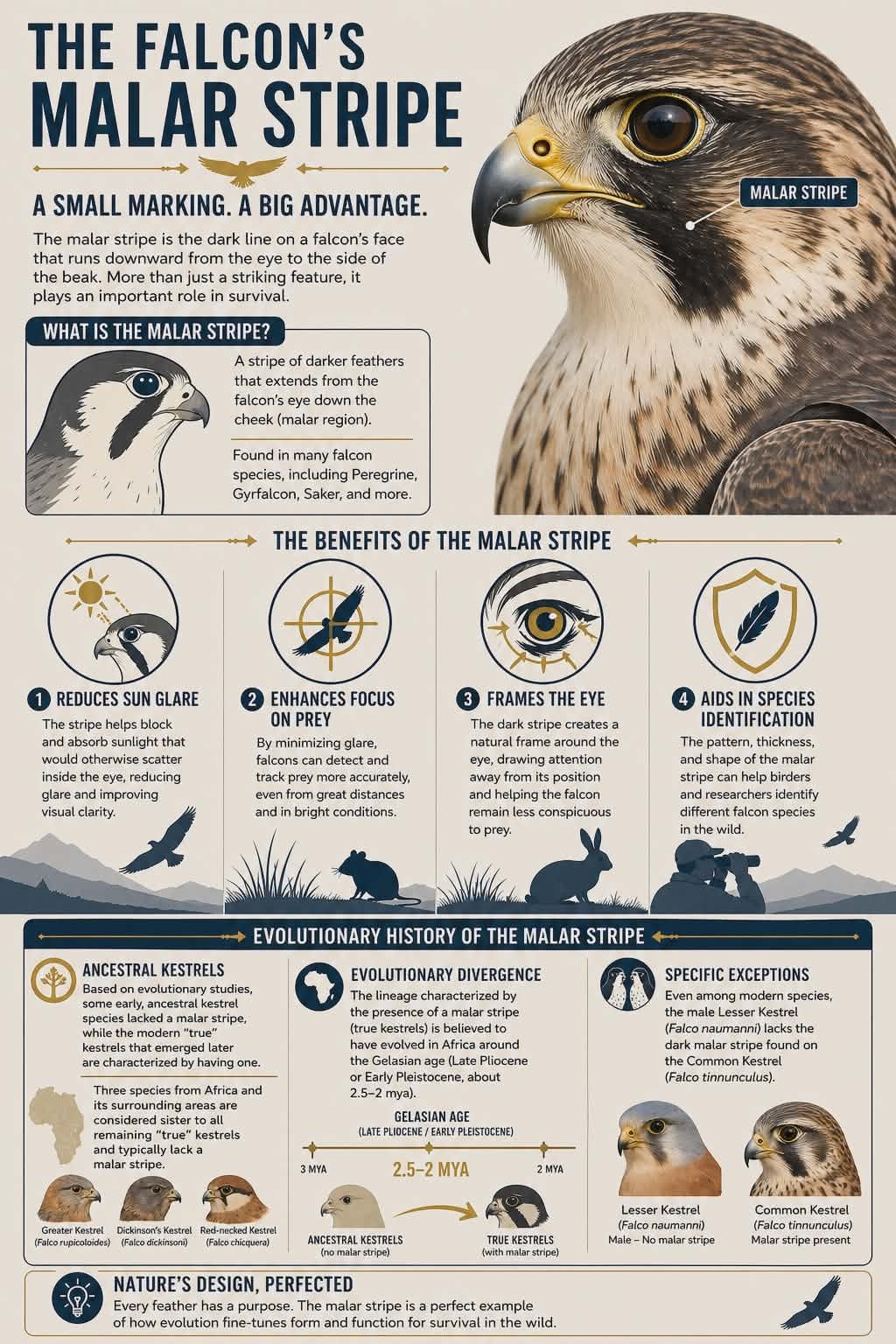
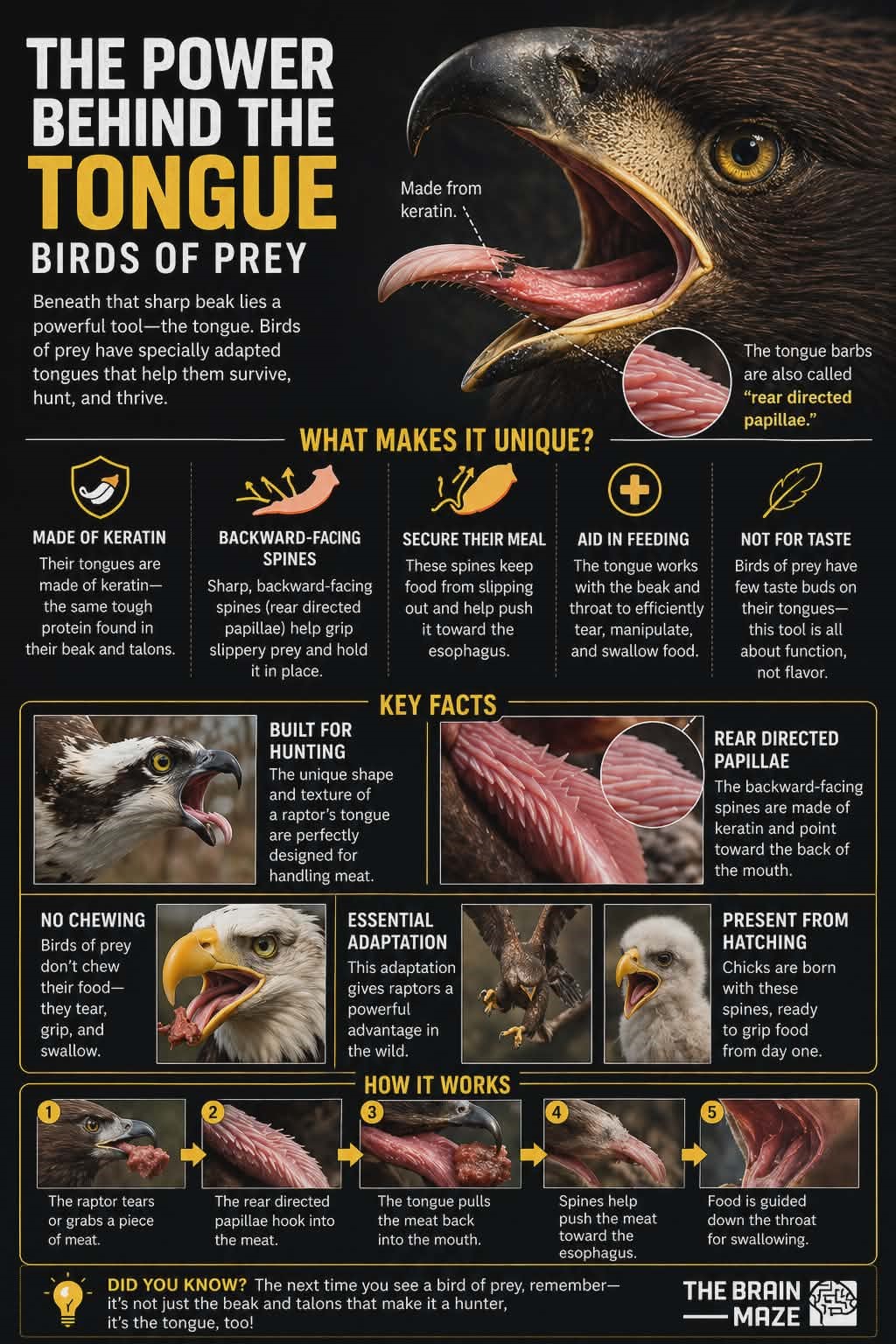
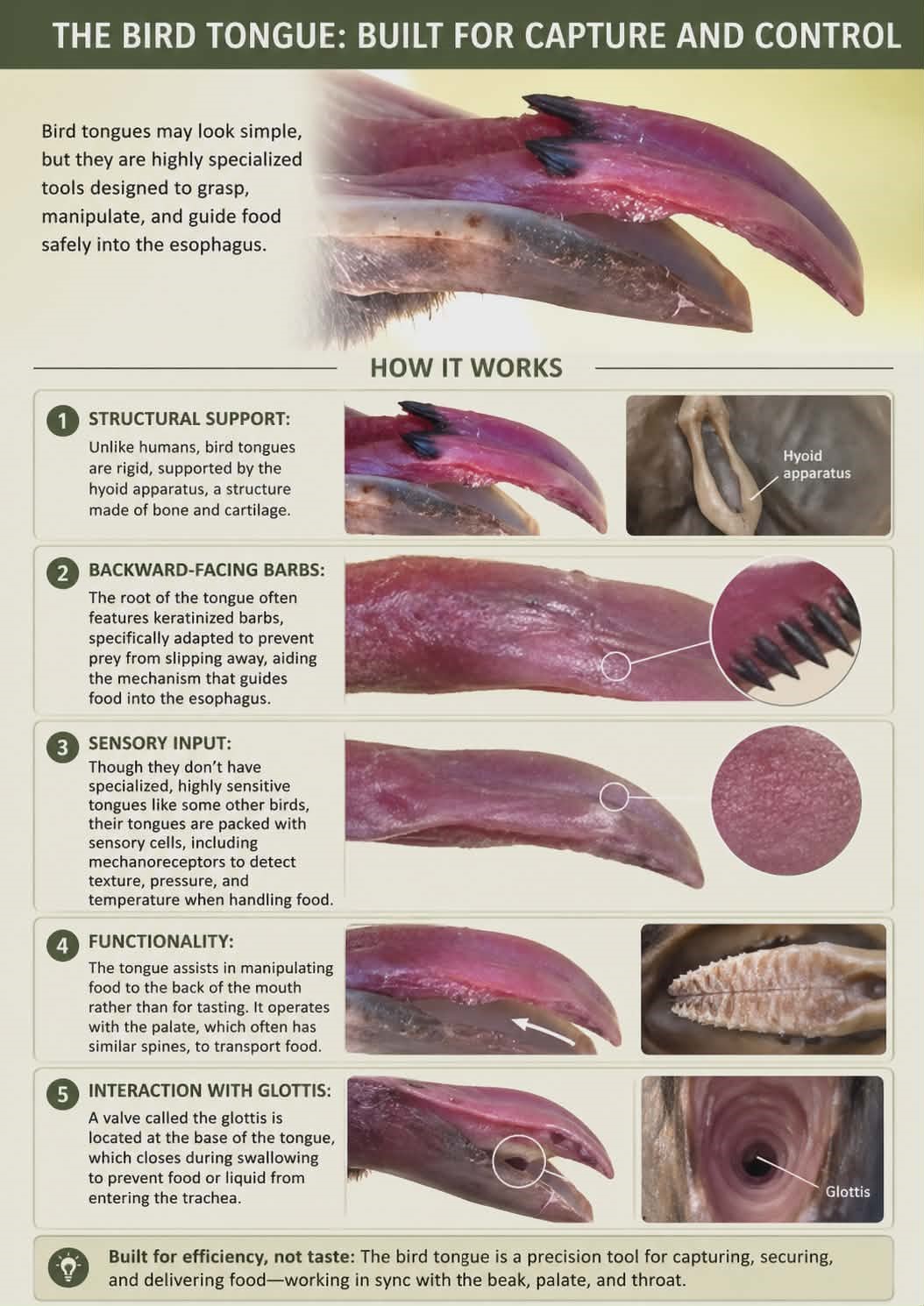
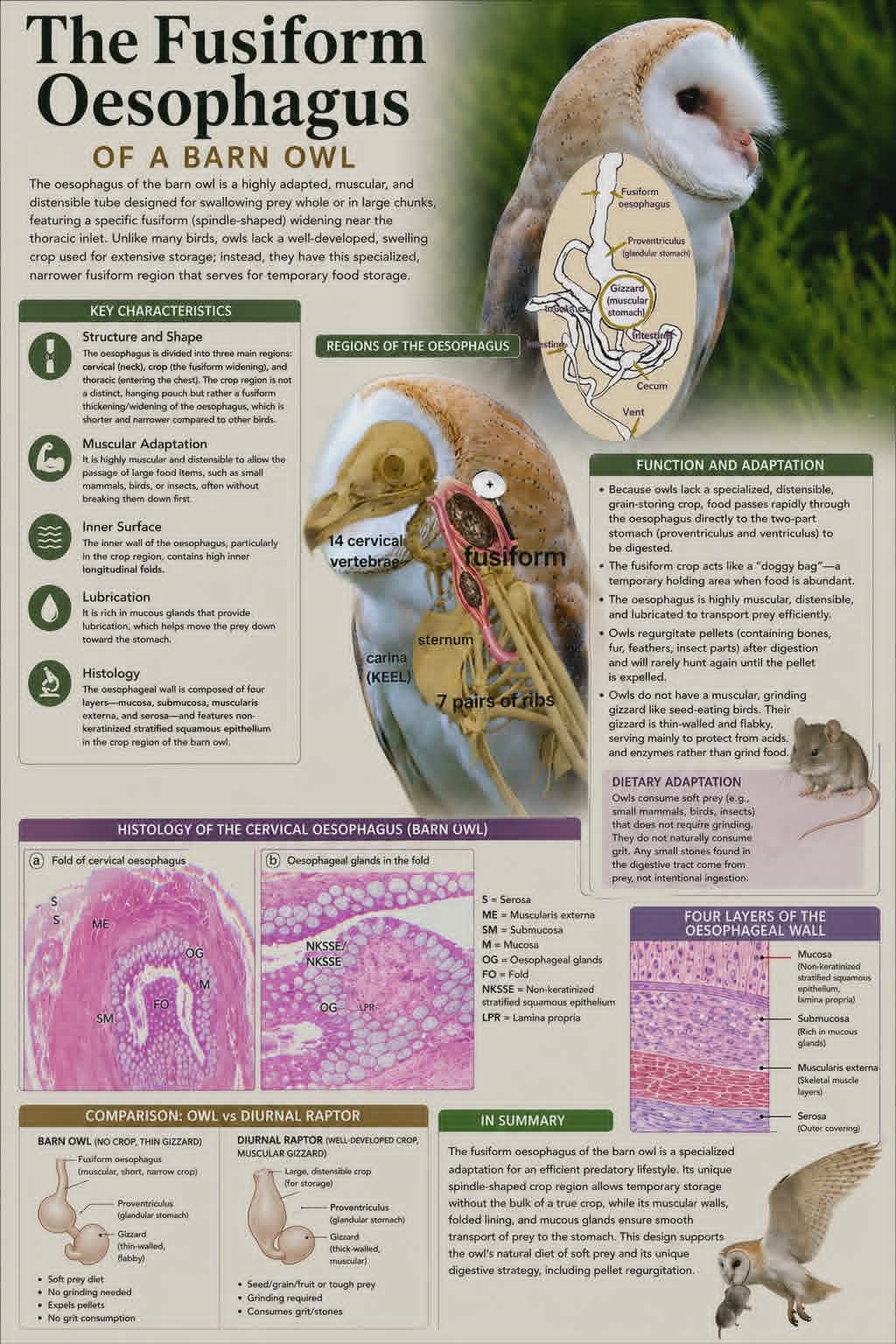
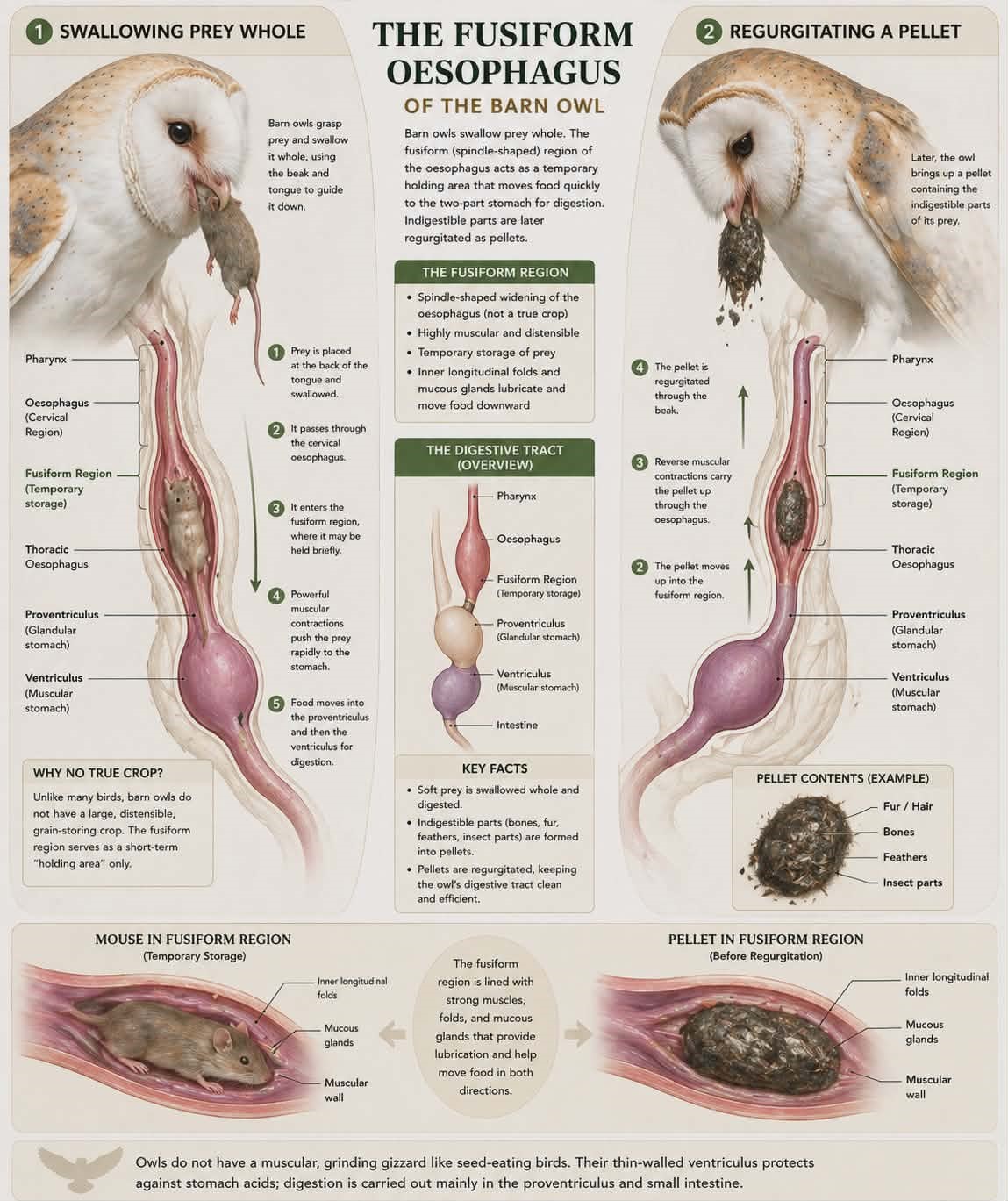
A bird of prey or raptor (which means to seize), is defined by specialized physiological adaptions, and specialized predatory features like incredible vision and hearing and hyper keen senses. they posses strong, spicule enhanced, gripping feet, and specialized feathers to enhance various flight and hunting strategies. did you know the barn owl is the only owl that posses a pectinate claw for grooming. migratory species occupy multiple habitats, opting for different breeding and non breeding ground. all these senses and adaptions making them masterpieces of nature in the modern era, since the jurassic era, and beyond from the Avilans (crocodilians) 249mya
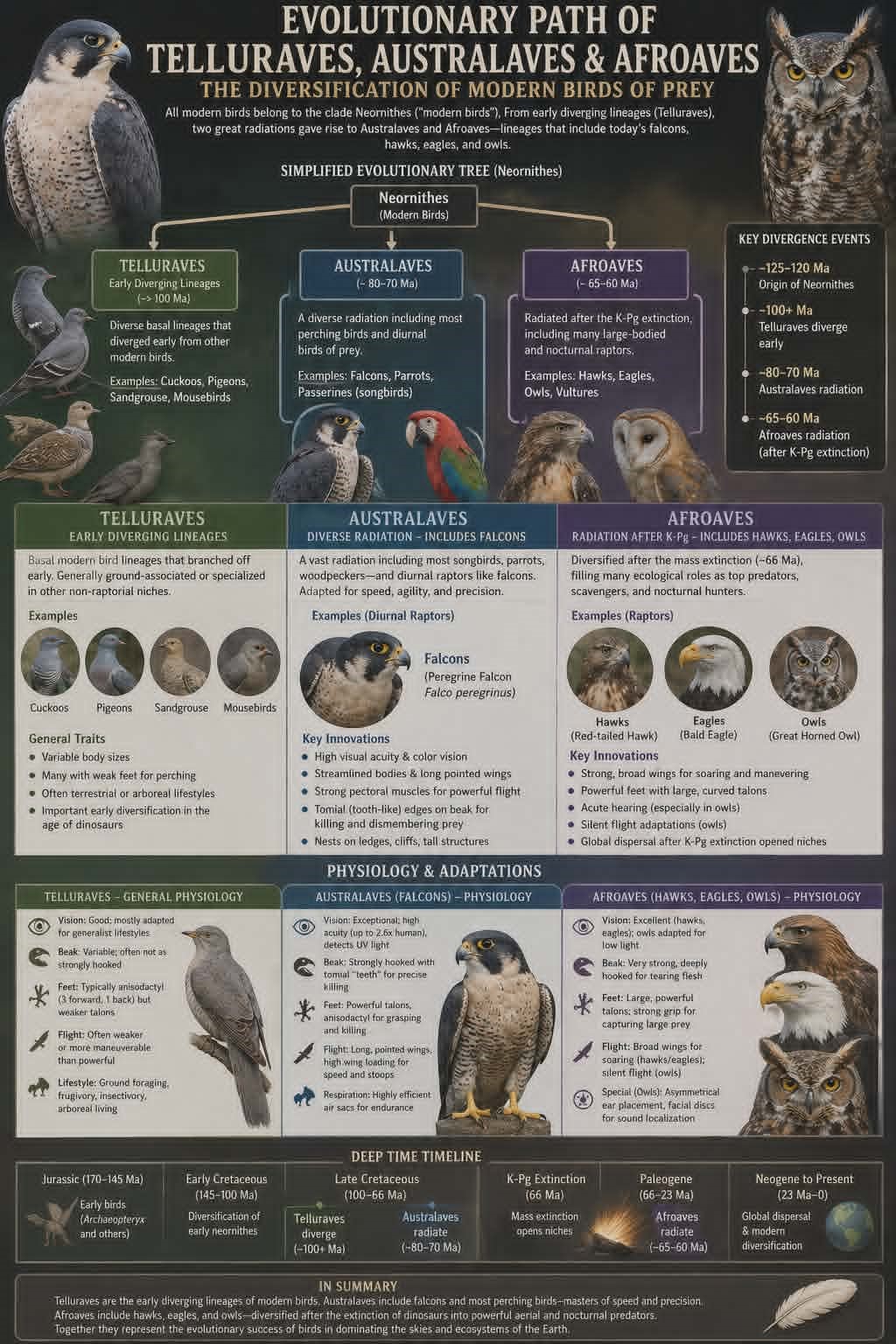
Birds of prey are also divided into two specific main categories.
Diurnal – active in the day
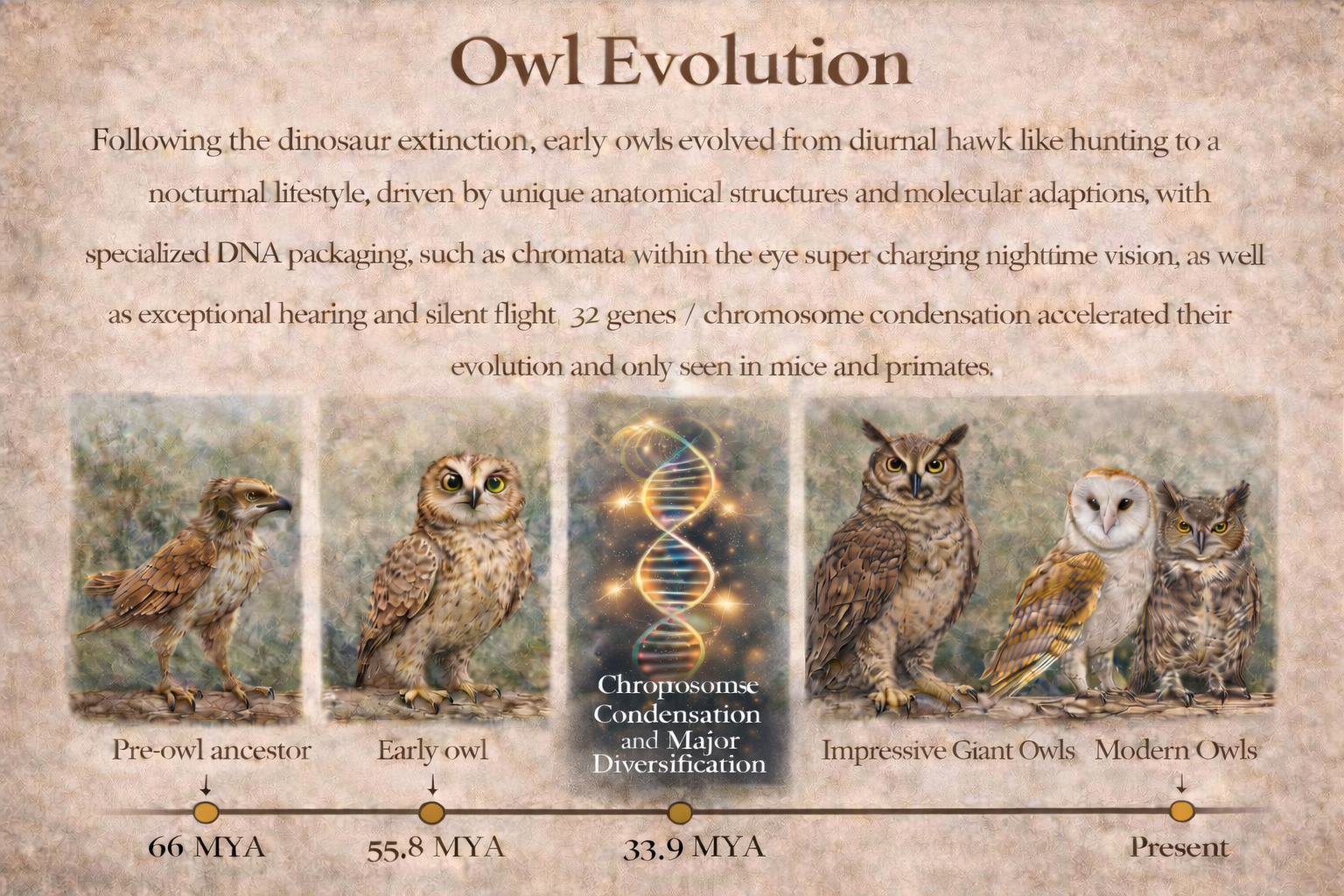
Nocturnal -active at night
Thus controlling and providing a healthy balance throughout their prey populations, maintaining ecological balance, and a healthy environment we can all enjoy.
Each of the approximate 560 raptor species ,(out of the 11,500 species of Aves), covering Falconiformes (diurnal birds of prey) and Strigiforms (typical owls and grass owls), has its own conservation status on the ICUN red list, and even amoung the 142 species catergorized as least concern a great percentage of these raptors have declining population trends, suggesting they too may become threatend in the future.
WELSH NAMES PROVIDED FOR EACH of our SPECIES
Here are some Welsh names for some of our British species
Bird of prey-Adar ysglyfaethus
Raptor/ birds-Aderyn
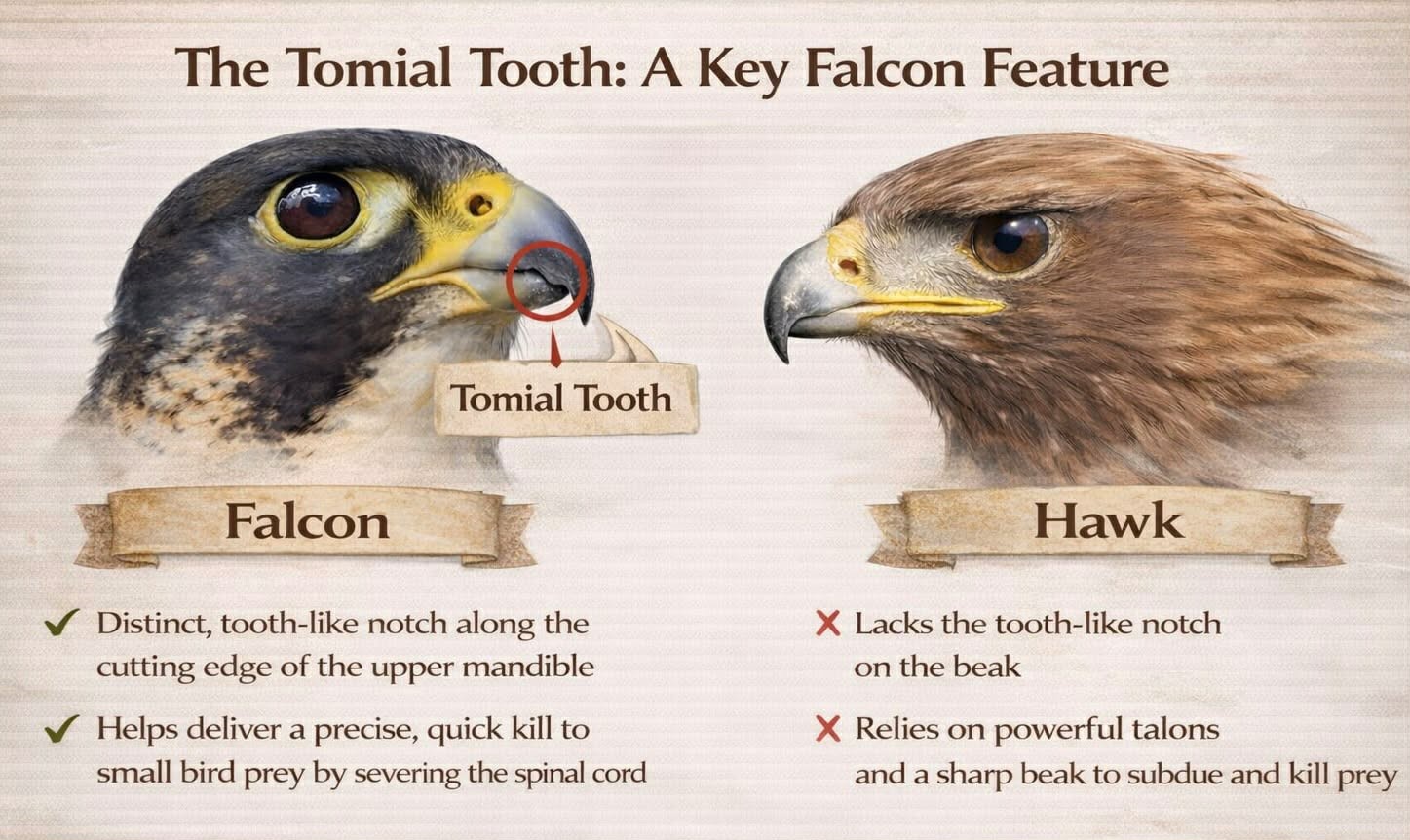
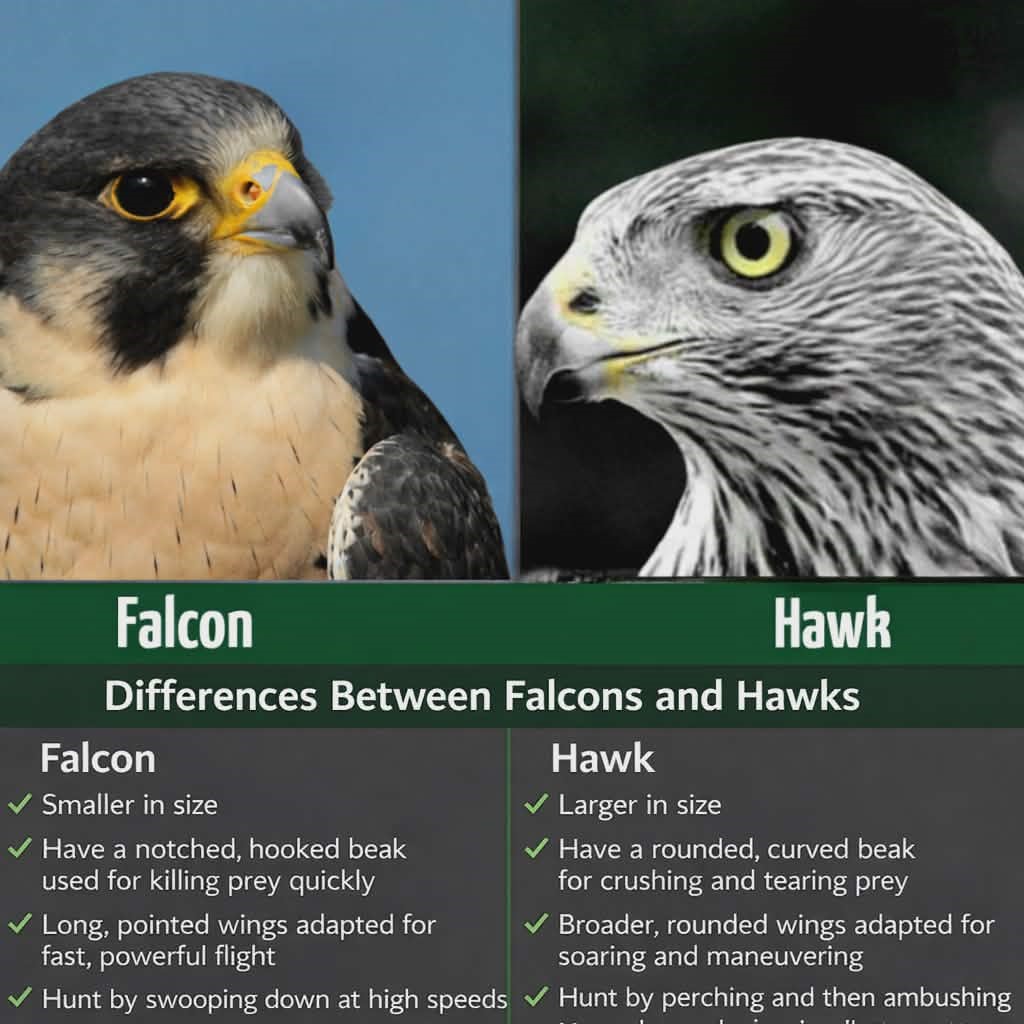
falcons – Hebogiaid
Accipiters/hawks – Gweilch
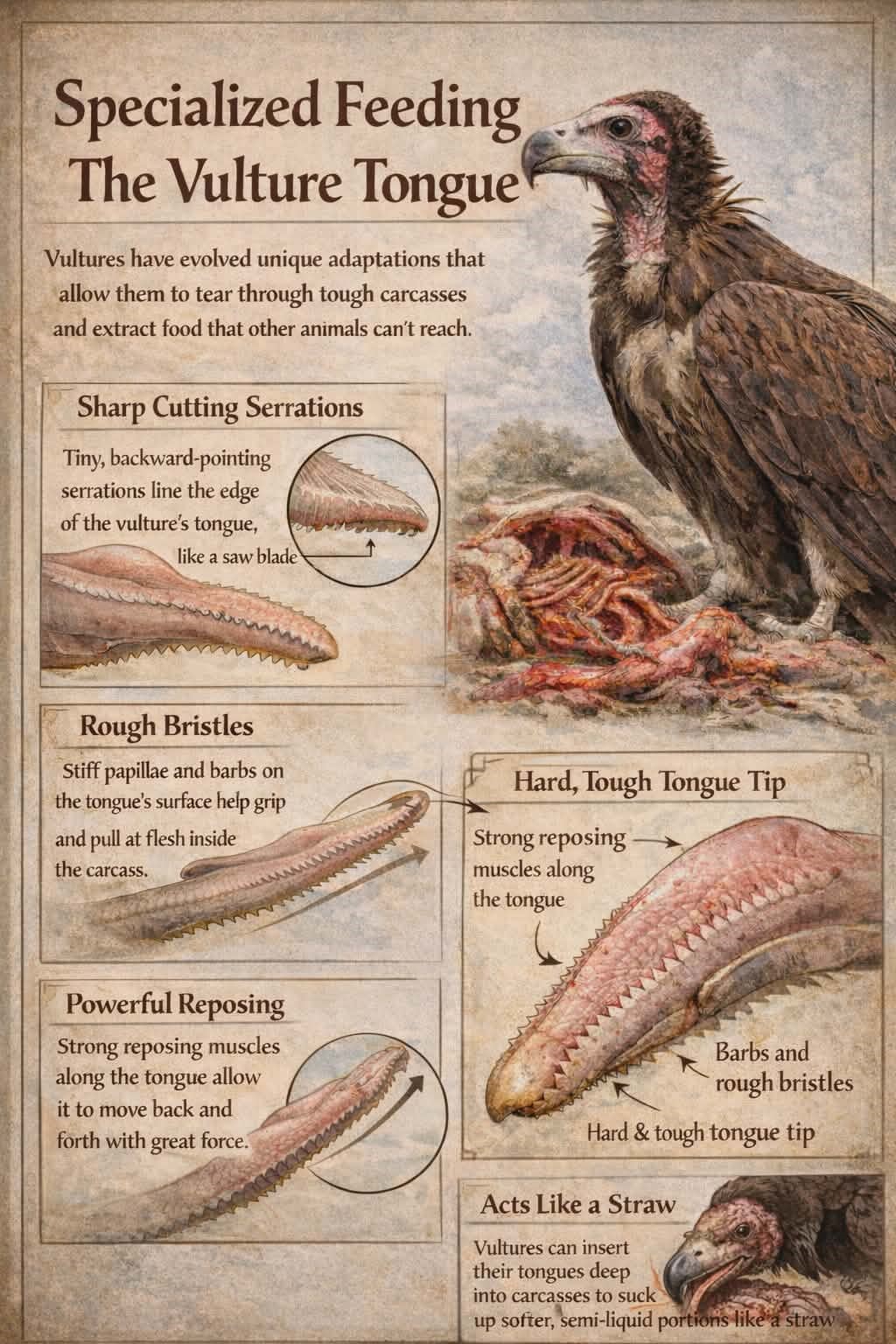
Vultures – Fwlturiaid
Typical owls ( Tylluan) can also be named by hoot – Gwdihw (goody- hoo)
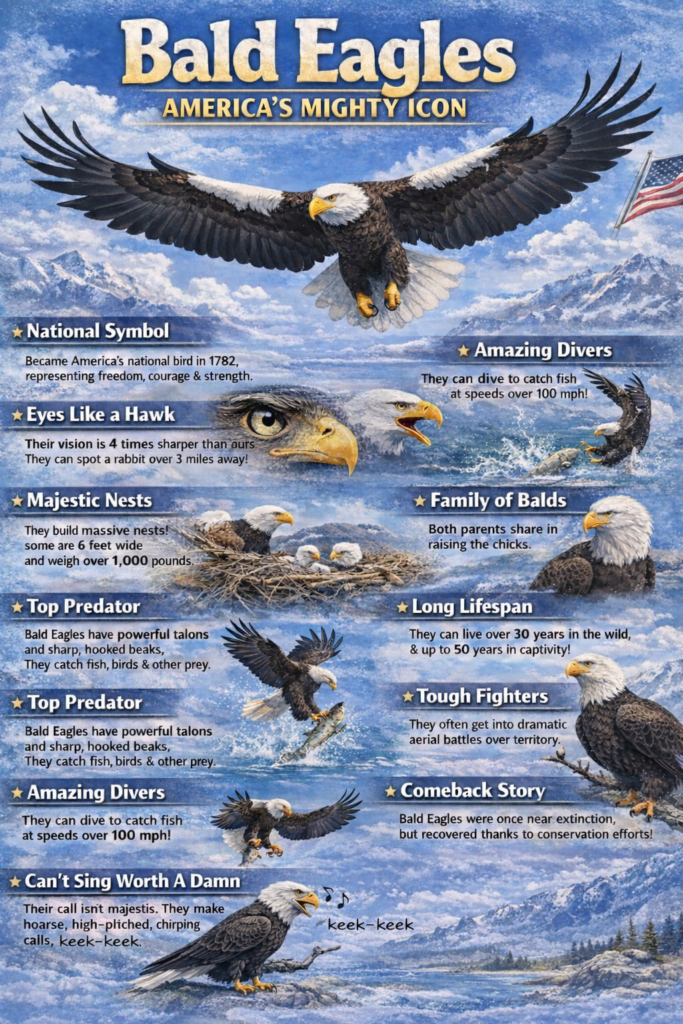
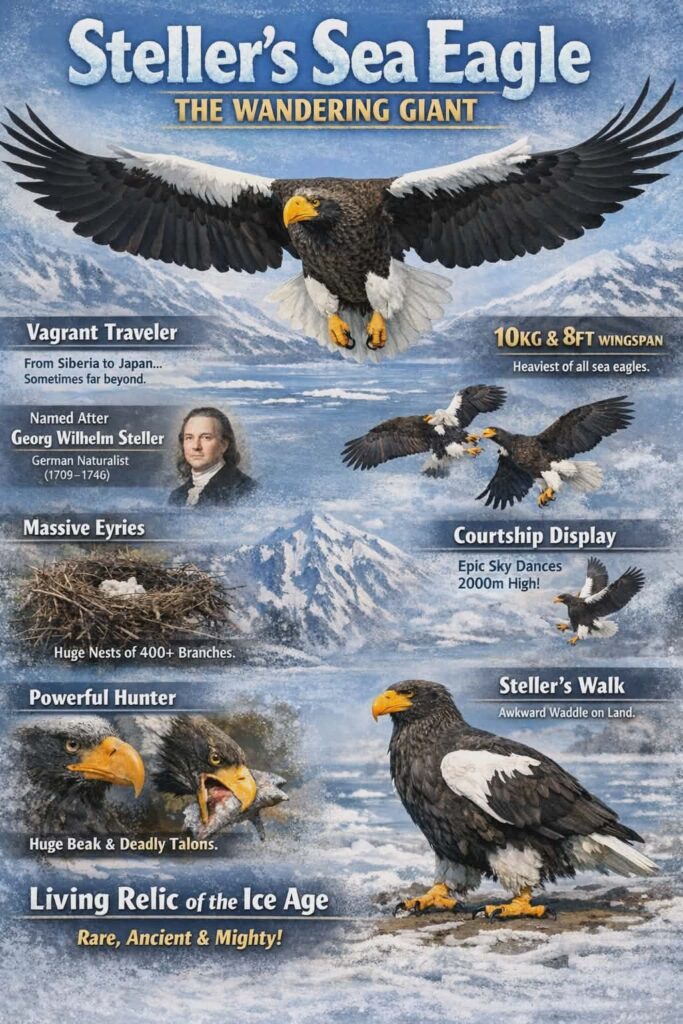
Eagle-Eryr
Hawk or Falcon-Gwalch
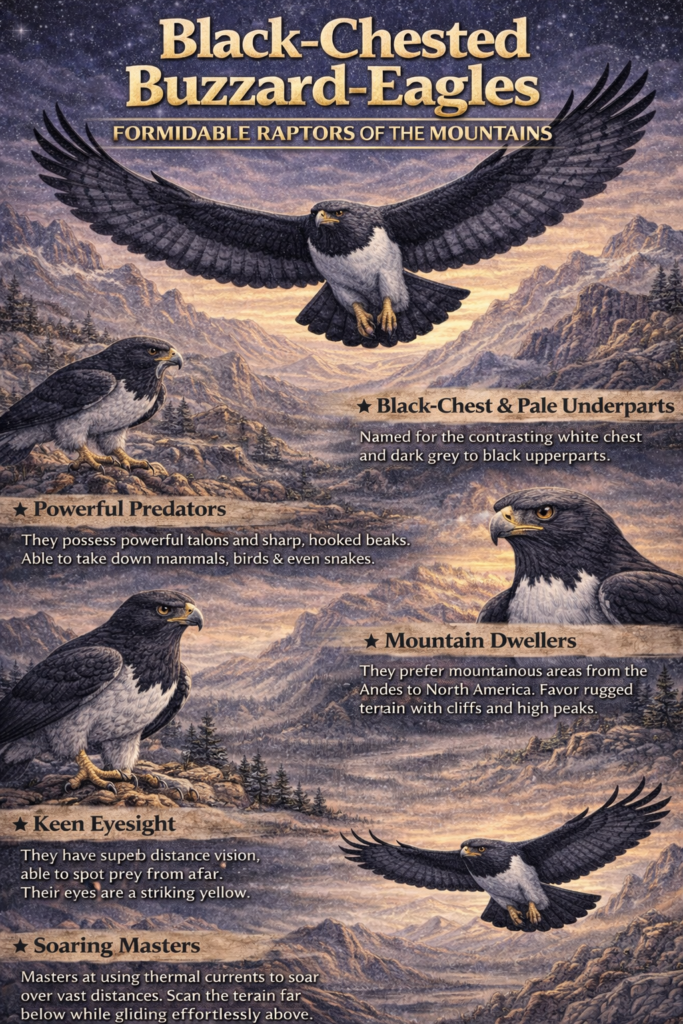
Buzzard-Boda
Buzzard call- Bwncath
Owl-Tylluan
Osprey- Gwalch y Pysgod
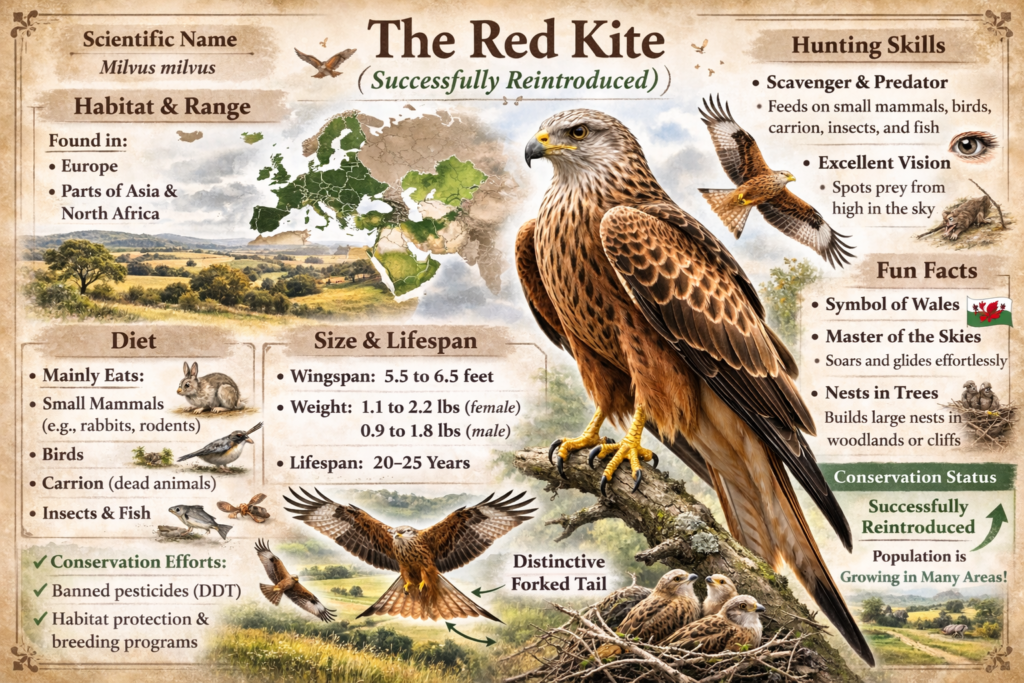
Redkite- Barcud coch
Small hawk- Cydyll
Kestrel- Cydyll coch
Merlin- Cydyll bach
Hen harrier- Boda tinwyn
Marsh harrier- boda gwerni.
TO LEARN MORE
- Click Each Image for image information only
- Click Text for Image and full detailed information on each species